Embark on a quest to create a green, healthy, and thriving community while learning essential lessons about sustainability, disaster management and community resilience. Welcome to Filantropoli, a board game that is not only super fun, but a powerful tool for better understanding what it is like to build a sustainable, thriving village. Filantropoli is a meticulously handcrafted piece of art made with care and unique artistry. Handmade in Bali, an island renowned for its traditional craftsmanship, the game resonates with Bali’s ethos of living in harmony with nature. At its core, Filantropoli is an educational tool designed to teach the principles of community resilience. It places players in the role of various types of community builders, tasking them with creating a sustainable village. As in real life, it also introduces critical twists by challenging players to navigate and overcome the impacts of development and natural disasters together. Collaboration is at the heart of Filantropoli. Players must work together to steward farm land, generate resources and use them to build their sustainable community while collectively addressing the challenges posed by natural disasters. This collaborative aspect makes the game not just entertaining but also a great experience in teamwork and community spirit. The essence of Filantropoli revolves around building a carbon-neutral, sustainable village. Players must engage in resource bartering, earn carbon credits through tree planting, and establish land trusts to ensure the village’s prosperity and resilience. In doing so, they learn how to create a community that not only thrives but also nurtures the environment. Filantropoli is more than a game; it’s an immersive learning experience, combining fun and entertainment with valuable lessons on sustainability, community resilience, and environmental stewardship. As players progress through the game, they witness the benefits of rehabilitating environments, healthy food production, disaster risk reduction, community spirit and a deeper connection with nature. The game comes complete with a game board, community resource cards, chance cards, dice, tokens, trees, and carbon offset certificates. Each component plays a vital role in the game’s immersive and educational gameplay experience. Filantropoli comes in two game formats: tabletop and giant size. The tabletop version is perfect for family gatherings and small groups. The giant-sized format is ideal for classrooms and community events, allowing a larger audience to engage with its valuable lessons (and fun!). #ClassroomEnvironmentGames #SchoolsEnvironmentalEducation #TeachEcoSolutions #EcoFriendlyOutdoorGames #EcoConsciousKidsGames #EnvironmentalEducationActivities #FunEcoFriendlyGames #FunEcoFriendlyActivities #HandmadeInBali #HandcraftedInBali #StorytellingGames #StrategyForChangeGames #GiantGamesforGroups #GamesAboutOceanConservation #PlasticPollutionAwareness #OceanCleanUp #FindMeInTheGardenGames #PermaculturePlay #SDGsforChangeEducation #SmallIslandsBigImpact #TeachingPlanetaryBoundaries #CommunityResilienceGames #RainforestLearning
More-
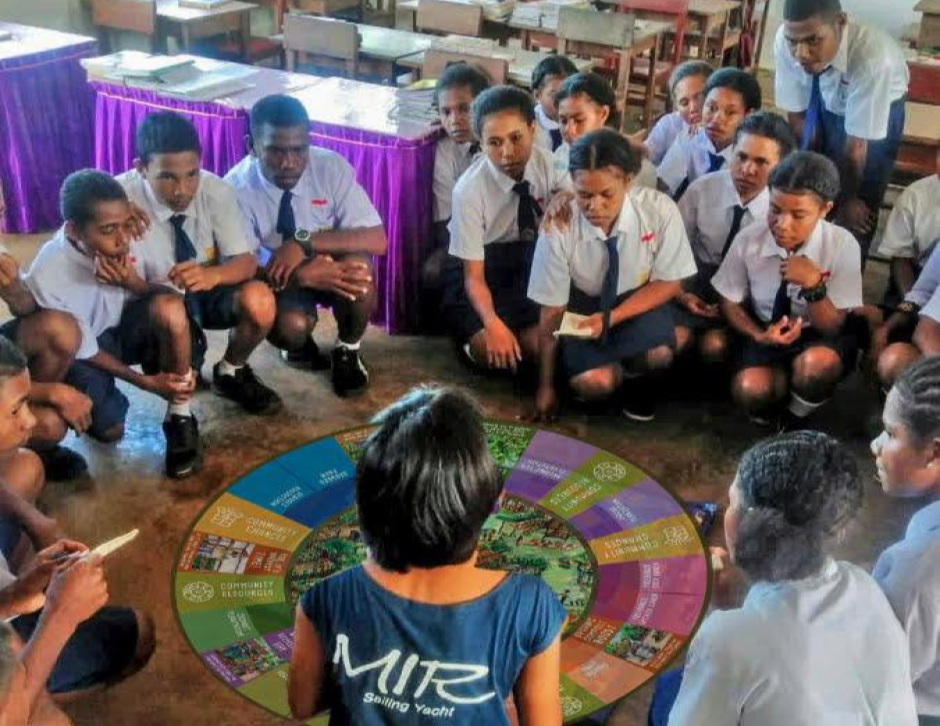
Filantropoli: How would you build a sustainable community?
-

Ecogames at Bali’s Jiwa Garden Permaculture Center: Engaging Environmental Education
At the Permaculture Learning Center Bali Jiwa Garden, environmental education took on an engaging twist with the use of ecogames.net’s Alami Garden Adventure Cards. At the Community Classroom “Balai Belajar,” kids enjoyed hours of exploration and discovery within the garden. The Alami Garden Adventure Cards offer an exciting way for children of all ages to connect with nature and embark on a treasure hunt within the garden. With 36 cards featuring visual and written clues, players are challenged to discover fascinating natural wonders based on the provided hints. Alami Garden Adventure Cards combine Adventure with environmental education. As they explored the garden, observed different patterns, sounds, and forms found in nature, participating kids identified natural wonders and developed a deeper personal connection with the environment. This game fosters curiosity, encourages a greater understanding of the natural world around, and promotes a sense of stewardship and respect for the natural resources in our surroundings. Jiwa Garden, known for its commitment to permaculture, composting, market gardens, fruit trees, and free-range chickens, is not just a garden. It’s a vibrant hub for the community that offers a multitude of experiences, including workshops, community kitchens, live music nights, and much more. Central to Jiwa Garden’s mission is its Community Classroom “Balai Belajar,” where kids and adults alike come together to learn and grow. Balai Belajar, Indonesian for “Learning Space,” is a testament to Jiwa Garden’s commitment to community learning. Supported by dozens of donors, supporters, and volunteers, it serves as a space for people of all ages to expand their knowledge. Jiwa Garden hosts workshops and courses on various topics, including permaculture, gardening, composting, and sustainable food production. Additionally, they actively involve local public schools, homeschooling groups, and other initiatives to emphasise the importance of youth in regenerative agriculture. Jiwa Garden recognizes the pivotal role that Bali’s youth plays in addressing environmental challenges, such as soil and water health, food security, and waste management. They are dedicated to creating awareness among the younger generation about the natural world and the importance of environmental stewardship. Jiwa Garden reinvests part of the proceeds generated from paid courses and workshops into the community, allowing less fortunate local communities and public school groups to attend events at Jiwa Garden at no cost. Jiwa Garden’s commitment to community learning and environmental awareness aligns perfectly with the mission of ecogames.net, building partnerships that benefit future leaders and the environment they live in. Alami Garden Adventure Cards are versatile, and suitable for various settings. Whether it’s a family outing in the garden, an outdoor party, or a classroom learning session, these cards provide an educational experience that combines entertainment with outdoor exploration. Their compact and portable nature allows for spontaneous adventures, while the gameplay lasts 15 minutes or more (some can play for many hours!) Alami Garden Adventure Cards ensure engaging and immersive experiences for kids of all ages. #ClassroomEnvironmentGames #SchoolsEnvironmentalEducation #TeachEcoSolutions #EcoFriendlyOutdoorGames #EcoConsciousKidsGames #EnvironmentalEducationActivities #FunEcoFriendlyGames #FunEcoFriendlyActivities #HandmadeInBali #HandcraftedInBali #StorytellingGames #StrategyForChangeGames #GiantGamesforGroups #GamesAboutOceanConservation #PlasticPollutionAwareness #OceanCleanUp #FindMeInTheGardenGames #PermaculturePlay #SDGsforChangeEducation #SmallIslandsBigImpact #TeachingPlanetaryBoundaries #CommunityResilienceGames #RainforestLearning
More -

Ecogames.net joins Arka Kinari’s Cultural Voyage to Sound the Environmental Alarm
In a world confronted by the pressing challenges of climate change and environmental degradation, a unique vessel named Arka Kinari emerges as an iconic beacon of truth. This 70-ton sailing ship, launched by the visionary artists Filastine and Nova, represents a commitment to defending and preserving our planet’s fragile ecosystems. Arka Kinari is delivering a cultural odyssey, blending music, message, and eco-consciousness to inspire change. During its Jawa tour Arka Kinari made use of EcoGames,net games for environmental education, supporting its mission to promote and build awareness about the critical state of our world’s environment. Building environmental understanding and awareness in remote island communities, especially with children, can be a daunting task. For the Arka Kinari crew, ecogames.net Octoputs & MuZe Cubes games were really helpful, as children found new ways to connect, particularly in the coastal Pesantren schools where maritime life and climate change education are paramount. Children who were invited to visit the vessel not only enjoy the games but also gain valuable insights into the importance of preserving our oceans and combating climate change. By day, Arka Kinari serves as a cultural platform, hosting workshops, skill-sharing sessions, and intimate concerts featuring local musicians. By night, the ship undergoes a mesmerizing transformation into a stage for Filastine & Nova’s captivating performance. Their fusion of traditional Javanese melodies with contemporary electronic music serves as a powerful alarm call for the climate crisis, accompanied by cinematic visuals that envision a post-carbon future. Remote island communities hold a special place in Arka Kinari’s heart, as they are often the most vulnerable to the effects of climate change and environmental degradation. Here, the Octoputs & MuZe Cubes games take on even greater significance. As children on these isolated islands engage with this educational game, they not only share knowledge about marine life, plastic pollution and climate change. Playing Octoputs & MuZe Cubes fosters teamwork and collaboration. This cooperative aspect of the game instils values of community and shared responsibility, which are vital for these isolated societies facing unique environmental threats. As children interacted with Arka Kinari’s crew and maritime network relationships that the vessel rekindled, they gained exposure to diverse cultures, languages, and ideas. This exposure broadens their horizons and reinforces the importance of global cooperation in protecting our planet. Here is some more information about Arka Kinari’s Mission Arka Kinari’s slow tour is a revival of the maritime network that once served as the original internet, connecting diverse peoples, languages, and ideas. This extraordinary vessel retraces disappearing trade routes, carrying culture as its cargo to rekindle the connection between communities and their waterfronts. Arka Kinari’s maiden voyage took it through twenty-three nations, spanning the Atlantic, Caribbean, and even the challenging Panama Canal. The vessel’s arrival in Indonesia in September 2020 marked a triumphant return to its home waters, where it now explores the spice routes of the archipelago. As part of its mission, Arka Kinari hosts “Laut Loud,” a series of small online streaming concerts that celebrate the diversity of Indonesian music. Each episode, curated by guest experts, focuses on artists with a unique connection to the featured location. The inaugural episodes spotlight Bali and are curated by Gabber Modus Operandi. Arka Kinari extends its warm embrace to artists and researchers whose work is intertwined with the seas, places, or communities they encounter during their voyage. The residency program places a special emphasis on supporting Indonesian women, providing them with an opportunity to connect with sailing life and explore remote islands. Arka Kinari offers skill-sharing workshops that cover various aspects of sustainable living. These workshops include learning essential maritime skills such as knot-tying and sail training, innovative cooking using local ingredients and spices, and an introduction to renewable energy systems, including solar and wind technologies. Arka Kinari, with its rich history and transformative mission, stands as a symbol of hope and environmental consciousness. Through its innovative use of EcoGames, dynamic performances, and a commitment to sustainability, Arka Kinari inspires individuals of all ages to become stewards of our planet. As it continues to journey through the Indonesian archipelago, Arka Kinari leaves a trail of positive change and serves as a testament to the power of art and culture in addressing the challenges of our time. #ClassroomEnvironmentGames #SchoolsEnvironmentalEducation #TeachEcoSolutions #EcoFriendlyOutdoorGames #EcoConsciousKidsGames #EnvironmentalEducationActivities #FunEcoFriendlyGames #FunEcoFriendlyActivities #HandmadeInBali #HandcraftedInBali #StorytellingGames #StrategyForChangeGames #GiantGamesforGroups #GamesAboutOceanConservation #PlasticPollutionAwareness #OceanCleanUp #FindMeInTheGardenGames #PermaculturePlay #SDGsforChangeEducation #SmallIslandsBigImpact #TeachingPlanetaryBoundaries #CommunityResilienceGames #RainforestLearning
More -
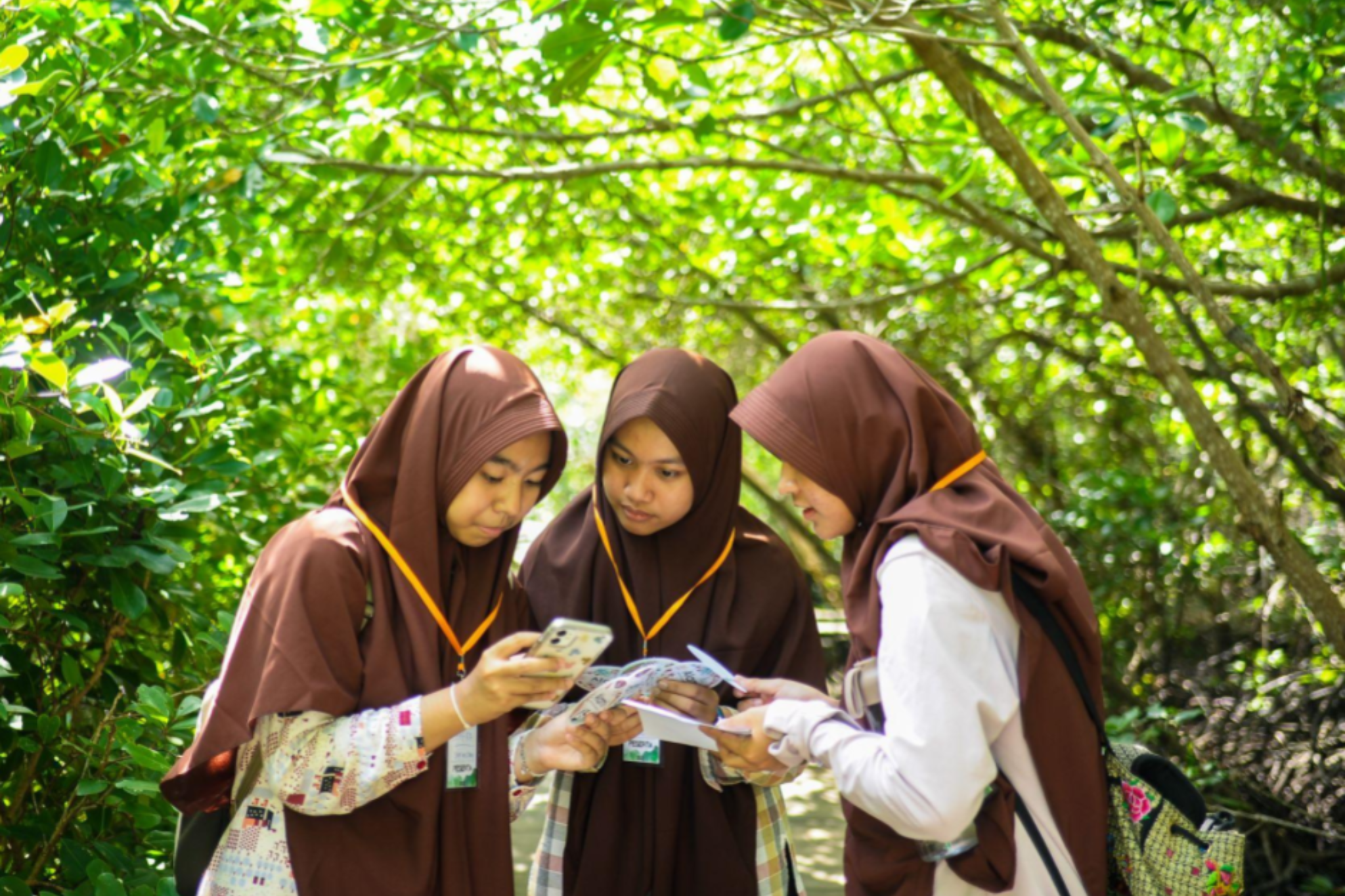
Ecogames.net helps with student engagement at Bali’s Mangrove Festival
Bali, with its stunning beaches and lush landscapes, is known for its natural beauty. However, the island’s ecological diversity extends beyond its shores to its mangrove forests. These mangroves play a crucial role in supporting local ecosystems and combating climate change. To celebrate and raise awareness about these unique ecosystems, the Ministry of Environment and Forestry, Kementerian Lingkungan Hidup dan Kehutanan (KLHK), organised the Mangrove Festival 2023, commemorating the International Day for the Conservation of the the island’s precious Mangrove Ecosystem. The Mangrove Festival, held in Bali around the Mangrove Information Center (MIC), Taman Hutan Raya Ngurah Rai, on July 28th and 29th, 2023, aimed to educate and inspire people from various backgrounds, including government, private sectors, academia, youth, and the general public, both locally and internationally. Dyah Murtiningsih, Directorate General of River Basin Management and Forest Rehabilitation (PDAS RH), highlighted the strategic importance of the festival as a platform for various stakeholders to come together. She also praised the involvement of local mangrove activists and regional Mangrove Working Groups from across Indonesia. The festival hosting workshops involving three countries: Indonesia, South Korea, and Brazil. These workshops facilitated the exchange of experiences, knowledge, and best practices in mangrove ecosystem management and environmental conservation, considering climate change as a global issue requiring global support and collaboration. The choice of Tahura Mangrove Forest in Ngurah Rai as the exhibition location was also significant. It showcased successful efforts of the Indonesian government and the Balinese community in rehabilitating the local mangrove ecosystems. This area, once damaged by aquaculture activities, has been transformed into a thriving and well-preserved mangrove forest, spanning over 1,300 hectares. It now houses 33 mangrove species and over 300 wildlife species. The Mangrove Festival was a multi-faceted event that aimed to strengthen environmental awareness and responsibility. One of the highlights of the festival was the integration of ecogames.net products, particularly the Alami Nature adventure cards, into the educational activities. Students and participants had the opportunity to explore the mangrove forest using ecogames.net’s Alami Nature adventure cards and Eco Treasure Nature Hunt game. These games acted as guides, helping students identify, engage with, and better appreciate the unique flora and fauna of the mangrove ecosystem. They turned a simple walk through the mangroves into an exciting adventure filled with discoveries. Many schools enthusiastically participated in the festival, actively engaged with ecogames.net games, which allowed students to connect with nature, enhancing their understanding of the mangrove ecosystem’s importance. Students spent hours playing with ecogames.net products, making the event not only deeply engaging but also highly educational. Through interactive games and activities, students learned about the vital role mangroves play in supporting marine life, stabilising coastlines, and sequestering carbon. The festival also featured an Eco Games competition that challenged participants to explore the mangrove ecosystem using their senses of sight, touch, smell, and hearing. This hands-on experience encouraged them to work together in teams, discuss their findings, and present their discoveries to the judges. The festival’s closing ceremony was a celebration of both environmental awareness and action. It included the planting of mangrove trees and the announcement of the Eco Games competition winners. Students from various schools actively participated in the competition, demonstrating their newfound knowledge about mangroves. For the high school category, SMAN 2 Kuta Selatan emerged as the winner, scoring 146 points. Meanwhile, in the junior high school category, SMP Insan Mulia Bali claimed victory with 138 points. Additionally, SMAN 10 Denpasar received the title of “Audience and Jury Favorite.” The Mangrove Festival in Bali provided a unique platform for people of all ages to connect with and learn about the importance of mangrove ecosystems. Ecogames.net helped make this educational experience both enjoyable and enlightening for students. Through interactive games and activities, students deepened their appreciation for the vital role mangroves play in our environment. As we celebrate the conservation of mangroves on the International Day for the Conservation of the Mangrove Ecosystem, let us remember the significance of these coastal guardians and the vital role they play in our planet’s health! #ClassroomEnvironmentGames #SchoolsEnvironmentalEducation #TeachEcoSolutions #EcoFriendlyOutdoorGames #EcoConsciousKidsGames #EnvironmentalEducationActivities #FunEcoFriendlyGames #FunEcoFriendlyActivities #HandmadeInBali #HandcraftedInBali #StorytellingGames #StrategyForChangeGames #GiantGamesforGroups #GamesAboutOceanConservation #PlasticPollutionAwareness #OceanCleanUp #FindMeInTheGardenGames #PermaculturePlay #SDGsforChangeEducation #SmallIslandsBigImpact #TeachingPlanetaryBoundaries #CommunityResilienceGames #RainforestLearning
More -

Empowering Education for Environmental Guardianship: Ecogames.net Collaborates with Plastic Island and Kopernik at SMP PGRI 3 Denpasar
In a world where plastic pollution is an escalating crisis, education plays a pivotal role in raising awareness and fostering solutions. Ecogames.net is teaming up with the Plastic Island (Pulau Plastik) team to bring forth a comprehensive suite of educational tools that not only aim to educate but also empower the next generation of environmental stewards. Ecogames.net is committed to using gamification as a tool for environmental education. Our primary objective is to make learning about critical environmental issues engaging and enjoyable. With this mission in mind, they’ve embarked on a groundbreaking collaboration with the Plastic Island Film project, working alongside Kopernik, an organisation dedicated to finding innovative solutions to global challenges, especially in the last mile communities. We encourage you to watch this important documentary film on Netflix. The cornerstone of this collaboration is a giant-sized game called “Plastic Island.” This interactive experience encourages children to delve into the root causes of plastic pollution and explore innovative ways to mitigate it. As they play, they’ll clean up a virtual island from plastic waste and monitor the health of the ocean, instilling a sense of responsibility and action. Complementing the game is the “Plastic Island: An Island Guardian’s Activity Book.” This treasure trove of educational activities covers a wide array of topics, including plastic pollution introduction, the menace of single-use plastics, the microscopic threat of microplastics, the importance of recycling and downcycling, waste sorting, composting, alternatives to single-use plastics, plastic’s environmental impact, community-driven actions, ocean health, the art of upcycling, sustainable practices, environmental superheroes, and even an ocean health game. These resources empower young readers with knowledge and inspire them to make a tangible difference in the fight against plastic pollution. So what are the critical issues being addressed? Plastic Pollution in the Ocean: Plastic poses a grave threat to our oceans, harming marine life and disrupting ecosystems. It’s imperative to use less plastic, recycle diligently, and explore sustainable alternatives. Plastic Menace on Small Islands: Small islands often struggle with plastic waste management, impacting their natural beauty. Combatting this issue requires collective efforts to reduce littering and support cleanup initiatives. Microplastics’ Silent Threat: Microplastics, though minuscule, are causing significant harm. Advocating for products without microbeads and supporting plastic reduction efforts are part of the solution. Plastic’s Global Impact: Plastic pollution transcends borders. International cooperation is essential to address this global crisis. Countries must work together to reduce plastic production and improve waste management. Empowering Local Communities: Local communities are the frontline in the battle against plastic pollution. When equipped with knowledge and resources, they can drive impactful change through initiatives like beach clean-ups and supporting eco-friendly businesses. Kopernik, a champion of innovative solutions, plays a critical role in this collaboration. Their mission to reduce poverty by experimenting with potential solutions aligns perfectly with the fight against plastic pollution. They believe in finding what works and are proactive in testing ideas that benefit not only local communities but also the larger global development community. The Plastic Island Film is a stark reminder of the plastic crisis Indonesia faces. It sheds light on the issue of plastic pollution through the eyes of dedicated activists, including Balinese vocalist Gede Robi and biologist Prigi Arisandi. Their efforts to collect evidence and raise awareness form a compelling narrative that underscores the urgency of addressing plastic pollution. In a world where plastic pollution threatens our environment and our future, initiatives like the collaboration between Ecogames.net, Plastic Island, and Kopernik are beacons of hope. By educating and empowering the youth with engaging tools and fostering innovation, we take one step closer to a cleaner, healthier planet. Through collective action, education, and innovative solutions, we can combat plastic pollution and protect the Earth’s most precious resources. As we celebrate the collaboration between Ecogames.net, Plastic Island, and Kopernik, let’s remember that each one of us can make a difference in the fight against plastic pollution. #ClassroomEnvironmentGames #SchoolsEnvironmentalEducation #TeachEcoSolutions #EcoFriendlyOutdoorGames #EcoConsciousKidsGames #EnvironmentalEducationActivities #FunEcoFriendlyGames #FunEcoFriendlyActivities #HandmadeInBali #HandcraftedInBali #StorytellingGames #StrategyForChangeGames #GiantGamesforGroups #GamesAboutOceanConservation #PlasticPollutionAwareness #OceanCleanUp #FindMeInTheGardenGames #PermaculturePlay #SDGsforChangeEducation #SmallIslandsBigImpact #TeachingPlanetaryBoundaries #CommunityResilienceGames #RainforestLearning
More -

The Pollinator Predicament: Why Their Survival Matters Now & how we can all help
Our world is buzzing with life, thanks to the tireless work of pollinators. These small but mighty creatures, including bees, butterflies, birds, and bats, play a pivotal role in our ecosystem by fertilising plants as they move pollen from one flower to another. However, these unsung heroes of the natural world are facing a multitude of threats that demand our immediate attention. What are the Key Issues Our World’s Pollinators are Facing? Habitat Loss: One of the most significant threats to pollinators is the loss of their natural habitats. Urbanisation, deforestation, and industrial agriculture have led to the destruction of critical pollinator nesting sites and foraging grounds. Pesticides: The use of chemical pesticides, especially neonicotinoids, poses a grave danger to pollinators. These chemicals not only kill pests but also harm beneficial insects like bees. Pesticides can contaminate nectar and pollen, making them toxic to pollinators. Climate Change: Rapid shifts in climate patterns disrupt the delicate synchrony between plants and their pollinators. Changes in temperature and precipitation can affect the timing of flowering and pollinator activity, leading to a mismatch that threatens the survival of both. Disease: Pollinators are susceptible to diseases, including the infamous Colony Collapse Disorder that affects honeybee populations. These diseases can spread quickly within pollinator colonies, decimating their numbers. The decline of pollinators is not a future concern; it’s happening right now, and the consequences are far-reaching. Our food system relies heavily on pollinators. Over 75% of global food crops depend on pollination, including staples like fruits, vegetables, and nuts. The economic value of pollinators’ services is estimated at billions of dollars annually. Moreover, pollinators contribute to biodiversity by facilitating plant reproduction. Their work helps maintain diverse ecosystems, supporting other wildlife and preserving the genetic diversity of plant species. To put the global treat into context let’s look at some key statistics: The loss of pollinators could result in decreased crop yields, increased food prices, and reduced dietary diversity for billions of people. It could also lead to the extinction of plant species, affecting entire ecosystems. How You Can Be Part of the Solution Families, schools, and communities can play a crucial role in pollinator conservation. Here’s how: Plant Pollinator-Friendly Gardens: Whether you have a backyard or a small balcony, you can create a pollinator-friendly oasis. Choose native plants that provide nectar and pollen for bees and butterflies. Avoid using pesticides in your garden Support Organic Farming: Buy organic produce whenever possible. Organic farming practices are less harmful to pollinators because they restrict the use of synthetic pesticides. Educate and Advocate: Raise awareness about pollinator conservation in your community and schools. Encourage local authorities to adopt pollinator-friendly policies, such as planting wildflowers along roadsides. Support Integrated Pollinator Habitats: Enhance your pollinator-friendly garden with a diverse array of nectar-rich flowers that bloom throughout the seasons, ensuring a continuous food source for bees, butterflies, and other pollinators. Incorporate a “bee hotel” nesting site to encourage their presence for ongoing pollination, as well as a “bee bath,” a shallow basin filled with water and pebbles, as a watering station. Protecting pollinators is not just an environmental concern; it’s a matter of food security, biodiversity, and ecosystem resilience. The threats facing these remarkable creatures are urgent, and the time to act is now. By adopting pollinator-friendly practices at home, advocating for change in your community, and supporting organisations working tirelessly to protect pollinators, you can be part of the solution. #ClassroomEnvironmentGames #SchoolsEnvironmentalEducation #TeachEcoSolutions #EcoFriendlyOutdoorGames #EcoConsciousKidsGames #EnvironmentalEducationActivities #FunEcoFriendlyGames #FunEcoFriendlyActivities #HandmadeInBali #HandcraftedInBali #StorytellingGames #StrategyForChangeGames #GiantGamesforGroups #GamesAboutOceanConservation #PlasticPollutionAwareness #OceanCleanUp #FindMeInTheGardenGames #PermaculturePlay #SDGsforChangeEducation #SmallIslandsBigImpact #TeachingPlanetaryBoundaries #CommunityResilienceGames #RainforestLearning
More -

SOS: Our Oceans in Crisis – How We Can Make a Difference?
Our oceans, covering over 70% of Earth’s surface, are not just vast bodies of water but life-sustaining ecosystems crucial to the well-being of our planet. However, they are facing unprecedented degradation, posing severe threats to marine life, coastal communities, and ultimately, all of us. Some of the most pressing issues being faced by our oceans are: Plastic Pollution: Plastic waste has inundated our oceans, with approximately 8 million tons entering them each year. This non-biodegradable material harms marine life, contaminates the food chain, and contributes to the formation of colossal garbage patches, such as the Great Pacific Garbage Patch. Plastic pollution has resulted in over 100,000 marine mammal deaths and more than one million seabird deaths annually. Overfishing: Overfishing is depleting fish populations to unsustainable levels. Around 90% of global fish stocks are either overfished or fully exploited. This jeopardises the livelihoods of millions of people and disrupts ocean ecosystems. Overfishing has led to a decline in large predatory fish populations by 90% since the 1950s. Coral Reef Decline: Coral reefs, often called “rainforests of the sea,” are dying at an alarming rate due to factors like rising sea temperatures and ocean acidification. Approximately 75% of coral reefs are currently threatened. Coral reefs provide habitat for around 25% of marine species, yet 50% of coral reefs have been lost in the last three decades. Ocean Acidification: Increased carbon dioxide (CO2) levels in the atmosphere are absorbed by the oceans, causing them to become more acidic. This negatively affects shellfish, plankton, and other marine organisms with calcium carbonate shells or skeletons. Ocean acidification is occurring at a rate unparalleled in 300 million years, affecting marine organisms like oysters and mussels. Illegal Dumping and Oil Spills: Irresponsible actions by some individuals and industries lead to oil spills and illegal dumping of pollutants, causing catastrophic damage to marine ecosystems. How Pressing Are These Issues? How Can Families, Schools, and Communities Help? Reduce Plastic Usage: Families can reduce single-use plastic consumption by opting for reusable items, schools can initiate plastic reduction campaigns, and communities can organise beach cleanups. Responsible Seafood Choices: By making informed choices about the seafood they consume, families, schools, and communities can support sustainable fishing practices and reduce overfishing. Support Marine Protected Areas: Families can advocate for the creation and expansion of marine protected areas, schools can educate students about their importance, and communities can engage in conservation efforts. Reduce Carbon Footprints: Reducing carbon emissions through energy-efficient practices, adopting clean energy sources, and supporting policies that address climate change can mitigate ocean acidification. Education and Awareness: Schools play a crucial role in educating the younger generation about ocean conservation. Communities can organise awareness campaigns and workshops to mobilise action. There are several ecogames products that can really support such initiatives! Ocean degradation is a pressing issue, but if we act quickly it’s not too late to make a difference. By taking action at the family, school, and community levels, we can be part of the solution. The statistics are alarming, but they should serve as a wake-up call, inspiring us to protect these vital ecosystems for generations to come. The time to act is now. #ClassroomEnvironmentGames #SchoolsEnvironmentalEducation #TeachEcoSolutions #EcoFriendlyOutdoorGames #EcoConsciousKidsGames #EnvironmentalEducationActivities #FunEcoFriendlyGames #FunEcoFriendlyActivities #HandmadeInBali #HandcraftedInBali #StorytellingGames #StrategyForChangeGames #GiantGamesforGroups #GamesAboutOceanConservation #PlasticPollutionAwareness #OceanCleanUp #FindMeInTheGardenGames #PermaculturePlay #SDGsforChangeEducation #SmallIslandsBigImpact #TeachingPlanetaryBoundaries #CommunityResilienceGames #RainforestLearning
More -

Ecogames.net Products Enhance Learning at Kebun Berdaya Community Gardens in Denpasar
At Kebun Berdaya Community Gardens in Denpasar, Bali, there’s a vibrant hub of learning and environmental awareness taking root. The gardens have become a nurturing ground for both young and old, and they have a great ally in ecogames.net products. These educational games help with the community garden’s impact, engaging children in the garden’s mission to empower local kids with environmental awareness. The project was founded with the support from the Bali Live Festival, a spectacular 12-hour online festival featuring 32 renowned artists who all rallied together to give back to Bali in its time of need. The event was attended by thousands and managed to raise over $18,000 for initiating this extraordinary project. These funds were channelled into supporting the Kebun Berdaya Urban Gardens Initiative, a collaborative effort between Kopernik and PT Alam Santi. Kebun Berdaya started as an innovative response to the COVID-19 crisis in Bali, which due to Bali’s almost complete dependency on tourism for local livelihoods, had severe repercussions on food security across Bali. This challenge was extremely poignant in the inner city area of Banjar Tegeh Sari, where these gardens were established, as many of the local residents did not have homes they could turn to for support in these challenging times. Kebun Berdaya’s story is a testament to how a community can transform adversity into an opportunity for growth and empowerment. Through urban farming and educational initiatives, Kebun Berdaya has become a beacon of hope during challenging times, offering sustainable solutions to Bali’s food security challenges. As Kebun Berdaya continues to flourish, ecogames.net products hope to continue playing a role. Our engaging and interactive educational games provide a fun and effective way to instil environmental awareness in children, making learning an exciting adventure. By fostering a deeper connection with the environment and its importance, ecogames.net products contribute to building a generation of eco-conscious individuals who will continue to protect and preserve Bali’s natural beauty for generations to come. #ClassroomEnvironmentGames #SchoolsEnvironmentalEducation #TeachEcoSolutions #EcoFriendlyOutdoorGames #EcoConsciousKidsGames #EnvironmentalEducationActivities #FunEcoFriendlyGames #FunEcoFriendlyActivities #HandmadeInBali #HandcraftedInBali #StorytellingGames #StrategyForChangeGames #GiantGamesforGroups #GamesAboutOceanConservation #PlasticPollutionAwareness #OceanCleanUp #FindMeInTheGardenGames #PermaculturePlay #SDGsforChangeEducation #SmallIslandsBigImpact #TeachingPlanetaryBoundaries #CommunityResilienceGames #RainforestLearning
More -
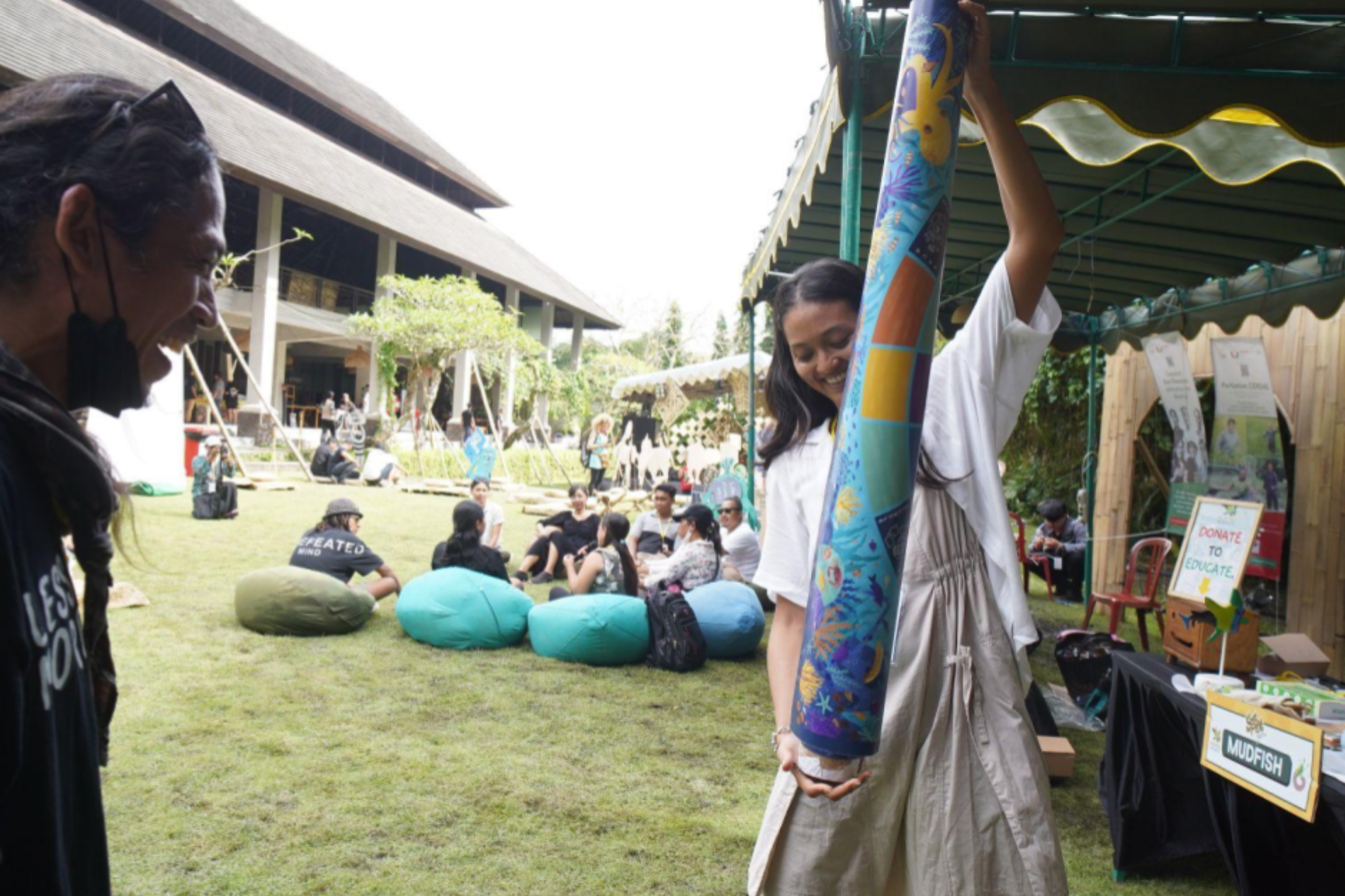
Ecogames.net joins Get The Fest 2022: A Day of Fun and Environmental Engagement
In the face of global climate challenges and the growing threat of plastic waste, events that promote sustainability and environmental awareness are crucial ways to get people together and raise awareness about both the problems we face and the solutions we can build together. Get The Fest 2022, a dynamic music festival that was powered by alternative fuel derived from plastic waste, was an awesome initiative that did just that. The ecogames.net team had a great time on the festival day hosting a booth at the festival site, the stunning Njana Tilem Museum in Mas, Ubud, Bali. Get The Fest 2022 was not just another music festival; it was a celebration of sustainability with powerful messages about addressing climate change and plastic pollution. The ecogames.net team had the privilege of participating in this dynamic event, where environmental awareness met music, activism, sharing of solutions and fun. Aside from the amazing performances, one of the highlights of the day for us was the great interest in ecogames.net’s environmental games. Many festival attendees visited our booth, eager to learn, play, and have fun while discovering the significance of eco-conscious choices. The energy and enthusiasm of the crowd were amazing! Fun with Eco-friendly Games: At the heart of our booth were a variety of eco-friendly games that engaged participants in meaningful ways. From plastic waste sorting challenges to climate action trivia, festival-goers had a blast while gaining valuable insights into sustainability and environmental responsibility. Get The Fest 2022 offered festival-goers a unique experience that blended music with eco-consciousness. People had the chance to witness firsthand the transformation of plastic waste into alternative fuel, emphasising the potential of sustainable practices in combating the plastic crisis and energy scarcity. The festival featured an impressive lineup of headlining bands that brought the stage to life. Audiences were treated to the electrifying sounds of Navicula, Jason Ranti, Iksan Skuter, Oppie Andaresta, Nugie, Cozy Republik, Ipank Hore-Hore, Made Mawut, Mad Madmen, Rhythm Rebels, Koesbilindo, and Taman Sawangan Ukulele. Each band delivered outstanding performances, creating a diverse and energetic musical experience that really resonated with the festival’s attendees. From rock to reggae, these headliners added a unique touch to the event, making Get The Fest 2022 a remarkable celebration of music and sustainability. This festival was not just about music and entertainment; it was a platform for promoting innovative solutions to environmental challenges. The ecogames.net team was thrilled to be part of an event that showcased how plastic waste can be transformed into a valuable resource, contributing to a cleaner environment and reduced carbon emissions. Get The Fest 2022 demonstrated the power of collaboration across various sectors. Government support, academic involvement, business partnerships, and community engagement all played a crucial role in making this event a success. It highlighted the potential for sustainable tourism and the importance of addressing plastic pollution. Get The Fest 2022 was more than a music festival; it was a celebration of environmental stewardship and innovation. The ecogames.net team had a fantastic time engaging with festival-goers, raising awareness about sustainability, and promoting eco-friendly practices. It was a dynamic day filled with fun, learning, and a commitment to a cleaner, greener future. We look forward to seeing you at the next Festival! #ClassroomEnvironmentGames #SchoolsEnvironmentalEducation #TeachEcoSolutions #EcoFriendlyOutdoorGames #EcoConsciousKidsGames #EnvironmentalEducationActivities #FunEcoFriendlyGames #FunEcoFriendlyActivities #HandmadeInBali #HandcraftedInBali #StorytellingGames #StrategyForChangeGames #GiantGamesforGroups #GamesAboutOceanConservation #PlasticPollutionAwareness #OceanCleanUp #FindMeInTheGardenGames #PermaculturePlay #SDGsforChangeEducation #SmallIslandsBigImpact #TeachingPlanetaryBoundaries #CommunityResilienceGames #RainforestLearning
More