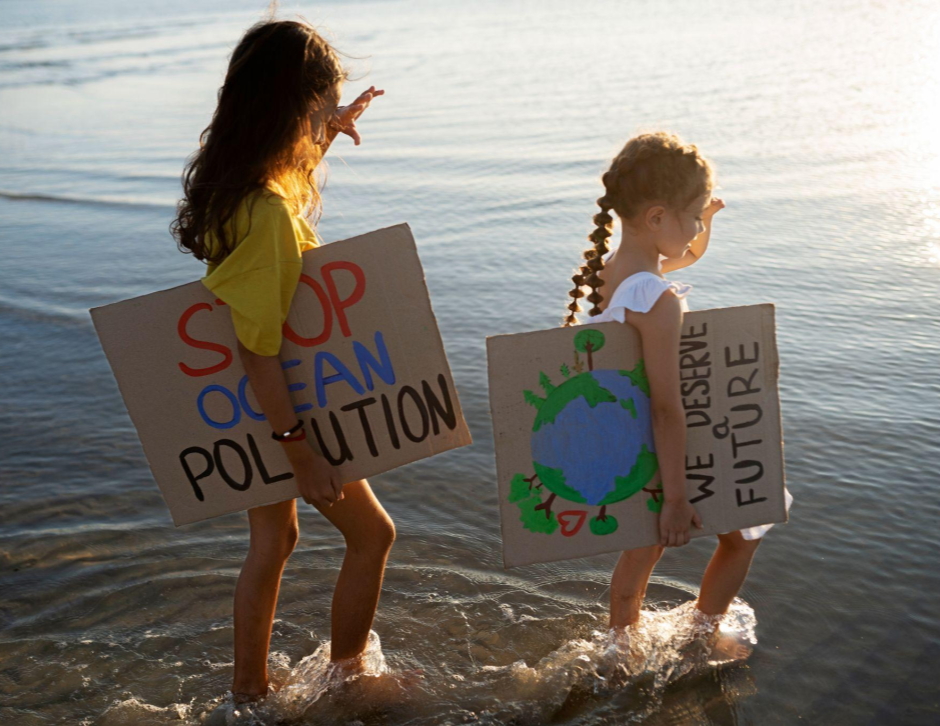
In today’s world, preparing our children for the impacts of climate change is not just a choice but an essential responsibility. As the effects of climate change become increasingly evident, it’s crucial to equip the next generation with the knowledge, skills, and emotional resilience to face the challenges ahead. The impacts of climate change are pressing and can no longer be ignored or downplayed. According to the World Health Organization (WHO), climate change is expected to cause approximately 250,000 additional deaths per year between 2030 and 2050, primarily due to heat stress, malaria, diarrhoea, and malnutrition. Rising sea levels are threatening coastal populations worldwide, including major cities like Jakarta, where millions of people could be displaced. Climate change is already impacting our children and will have multiple, and increasing impacts on future generations. Let’s explore some of the hard-to-face, but very real, key issues associated with climate change and how families, schools, and communities can come together to prepare and protect our children. Climate Trauma and Mental Health: The rise in climate-related disasters and the constant stream of alarming news about climate change can take a toll on children’s mental health. Anxiety, depression, and eco-grief are real concerns that need to be addressed. According to The Lancet, predictions suggest that the mental health challenges faced by children due to climate change will only intensify in the future, with an estimated 250% increase in cases of eco-anxiety and depression among young people by 2030. Increased Temperatures & Health Challenges: Escalating temperatures can lead to heat-related illnesses, especially in regions lacking adequate cooling infrastructure. According to the World Health Organization, in the future, children will increasingly suffer from heat exhaustion and heatstroke, with experts projecting a threefold rise in heat-related illnesses among children by 2050. Changing Weather Patterns & Disasters: Climate change intensifies extreme weather events, including hurricanes, floods, and droughts. Many children’s lives will be directly affected by these events and face trauma of witnessing or experiencing these disasters firsthand. According to the Intergovernmental Panel on Climate Change, with current climate change projections, the frequency and severity of extreme weather events are expected to double, significantly impacting children’s lives. Climate-Related Migration: Rising sea levels and changing environmental conditions can force communities to migrate. This can disrupt children’s lives, leading to changes in schools, social circles, and home environments. According to the World Bank, coastal cities like Jakarta are particularly vulnerable to rising sea levels. Children may witness the loss of their homes and communities due to coastal flooding. It is estimated that by 2050, over 140 million people, including many children, could be displaced due to climate-related factors. Changes in Food Production: Climate change will disrupt food production, leading to potential food shortages and price spikes. According to the United Nations Food and Agriculture Organization by 2050, it’s projected that the world’s population will face a 30% increase in food prices due to climate-related disruptions in agriculture. Loss of Species and Ecosystems: Children are already witnessing the loss of species and ecosystems they once enjoyed, and this will only increase over time, impacting their connection to nature and the availability of vital resources. According to the World Wildlife Fund experts by 2030, children will experience a 20% reduction in their exposure to natural ecosystems compared to today. Water Scarcity: In some regions, changing precipitation patterns will result in water scarcity. Children may have limited access to clean water, impacting their hygiene and health. According to the World Wildlife Fund and United Nations, by 2040, it is predicted that over one-third of the world’s population, including many children, will face severe water scarcity issues due to climate-related factors. How Families, Schools, and Communities Can Help Education, Awareness and Preparedness: Begin by educating children about climate change and its impacts. Engage in open conversations and use age-appropriate resources to explain the science and consequences. Teach children about emergency preparedness and response plans. Practice evacuation drills and ensure access to emergency supplies. Mental Health Support & Resilience Building: Recognize the emotional toll climate change can have on children. Encourage open communication, and if necessary, seek professional support to address anxiety or eco-grief. Encourage problem-solving, adaptability, and critical thinking skills. These skills will help children navigate a changing world. Sustainable Practices & Community Engagement: Lead by example in adopting eco-friendly practices at home, such as reducing waste, conserving water, and using renewable energy sources. Get involved in local climate action initiatives. Participate in tree planting, beach cleanups, and other community-based efforts to address climate change. At ecogames.net, we understand the importance of environmental education and preparing the next generation for the challenges of climate change. Our interactive and educational games offer a unique way to engage children in learning about environmental issues and sharing their thoughts in a gentle but effective way. From games that teach about biodiversity and ocean conservation to those that explore the impacts of climate change, our resources can be valuable tools in the hands of educators, parents, and communities. Climate change is an urgent global challenge, and its impacts on children are a growing concern. By addressing these issues proactively through education, awareness, and resilience-building, we can help prepare our kids for a changing world, build aware leaders of the future and reduce the stress that they will face. Together, as families, schools, communities, and organisations like ecogames.net, we can empower children to face climate change with courage, adaptability, and a commitment to environmental stewardship. Ecogames.net offers a wide range of educational tools for enhancing Climate Education: #ClassroomEnvironmentGames #SchoolsEnvironmentalEducation #TeachEcoSolutions #EcoFriendlyOutdoorGames #EcoFriendlyBoardGames #EcoConsciousKidsGames #EnvironmentalEducationActivities #FunEcoFriendlyGames #FunEcoFriendlyActivities #HandmadeInBali #HandcraftedInBali #NatureHuntAdventure #StorytellingGames #StrategyForChangeGames #PollinationEducation #EcoPuzzles #GiantGamesforGroups #EcoActivityBooks #GuessingGames #GamesAboutOceanConservation #PlasticPollutionAwareness #OceanCleanUp #FindMeInTheGardenGames #PermaculturePlay #SDGsforChangeEducation #SmallIslandsBigImpact #TeachingPlanetaryBoundaries #CommunityResilienceGames #RainforestLearning
More-
Preparing Our Kids for Climate Change: How Can We Build Resilience?
-

Navigating the Precarious Limits: Understanding Our Planetary Boundaries
The Earth, our shared home, is facing challenges of unprecedented magnitude. In September 2023, a landmark scientific study marked a turning point in our understanding of these challenges. For the first time, scientists quantified the nine planetary boundaries that regulate the stability and resilience of our Earth system. These boundaries delineate the safe operating space within which humanity can flourish while respecting the delicate balance of our planet’s ecosystems. Behind this groundbreaking concept are the efforts of visionary scientists like Johan Rockström and Will Steffen, who, in 2009, initiated an international collaboration to assess the impact of human activities on Earth’s vital processes. The concept of Planetary Boundaries is a testament to the power of global collaboration in science. This international team of experts brought together diverse fields to comprehend the intricate web of processes that sustain life on Earth. These nine critical processes encompass climate change, biodiversity loss, land use change, biogeochemical flows, ocean acidification, ozone depletion, freshwater use, and atmospheric aerosol loading. Each process is a vital thread in the intricate tapestry of our planet’s life-support systems. The Alarm Bells: Six of Nine Boundaries CrossedIn a sobering revelation, the latest update on the planetary boundaries framework concludes that we have breached six of the nine boundaries. Crossing these boundaries amplifies the risk of catastrophic and irreversible environmental changes. While these changes might not occur overnight, they represent a clear and present danger to our world. The interrelated nature of these boundaries highlights the inadequacy of focusing solely on climate change. Understanding the complex interactions between climate change and biodiversity loss is paramount. Only through this holistic perspective can we hope to find solutions to the environmental challenges that threaten our very existence. Since its inception, the planetary boundaries framework has attracted immense interest from the scientific community, policymakers, and practitioners. But it’s not solely the responsibility of scientists and policymakers to address these challenges; it’s a collective endeavour. Let’s take a brief look at what our Planetary Boundaries are: Novel Entities – Chemical & Plastic Pollution: Reducing chemical pollution begins with responsible chemical use and waste disposal. (The extent of chemical pollution varies widely, but it poses significant threats to ecosystems and human health.) Addressing plastic pollution requires reducing plastic consumption, improving recycling systems, and supporting policies to reduce plastic waste. (Every year, millions of tons of plastic waste enter the oceans, harming marine life.) Erosion of Biosphere Integrity: Conservation efforts and habitat preservation are necessary to stem the tide of biodiversity loss. (The current rate of species extinction is estimated to be hundreds to thousands of times higher than the natural rate.) Biogeochemical Flows in the Nitrogen and Phosphorus Cycles: Sustainable agricultural practices and reduced fertiliser use can help curb excessive nutrient flows. (Current rates of nitrogen fixation are estimated to be more than double the limit, contributing to environmental issues such as water pollution. Human activity has significantly disrupted the phosphorus cycle.) Climate Change: To address climate change, we must collectively reduce greenhouse gas emissions, transition to renewable energy sources, and implement sustainable land-use practices. Families can reduce their carbon footprint through energy-efficient homes and transportation choices. (As of 2021, CO2 concentrations in the atmosphere exceeded 410 ppm, and global temperatures had already risen by approximately 1.2 degrees Celsius above pre-industrial levels.) Land System Change: Halting deforestation and promoting sustainable land-use practices are vital. (Currently, approximately 38% of the world’s land is used for agriculture, and deforestation continues to threaten vital ecosystems.) Global Freshwater Use: Responsible water management, reducing water waste, and supporting water conservation initiatives are critical. (As of 2021, global freshwater withdrawals were estimated at over 4,000 km3/yr, leading to concerns about water scarcity in many regions.) Ocean Acidification: Protecting our oceans requires us to reduce carbon emissions and curtail ocean pollution. Supporting marine conservation efforts and responsible seafood choices can make a difference. (Currently, the world’s oceans have become about 30% more acidic since the beginning of the industrial era.) Stratospheric Ozone Depletion: Continuing the success story of the Montreal Protocol is essential in preventing further ozone depletion. (Thanks to international agreements like the Montreal Protocol, the ozone layer is gradually recovering.) Atmospheric Aerosol Loading: Controlling aerosol concentrations in the atmosphere is vital for climate and health. Emission reductions from industries and vehicles are key. (High aerosol levels can impact weather, climate, and lead to respiratory issues.) Empowering Future Generations: Teaching Children About Planetary Boundaries In our mission to reverse these trends and preserve the planet’s boundaries, one of the most crucial aspects is educating the next generation. Teaching children about planetary boundaries is not just an option; it’s an imperative. It’s a means to empower them with the knowledge and awareness needed to make informed choices that can shape the future of our planet. The consequences of crossing these planetary boundaries are not hypothetical scenarios but real threats that today’s children and their descendants will have to grapple with. By instilling an understanding of these challenges from an early age, we equip our children to become informed and proactive stewards of the environment. Early education about planetary boundaries serves several vital purposes: Engaging Learning ExperiencesEngaging children in learning experiences that explore planetary boundaries can be both fun and enlightening. Here are a few ideas: Understanding planetary boundaries is not just a scientific endeavour—it’s a shared responsibility. It’s a call to action for individuals, families, schools, and communities. By teaching children about these boundaries, we empower them to become informed and passionate advocates for the environment. Together, we need to navigate these planetary boundaries and ensure a future for our planet and the generations that will inherit it. Check out our Related Games: #ClassroomEnvironmentGames #SchoolsEnvironmentalEducation #TeachEcoSolutions #EcoConsciousKidsGames #EnvironmentalEducationActivities #FunEcoFriendlyGames #FunEcoFriendlyActivities #HandmadeInBali #StorytellingGames #StrategyForChangeGames #PollinationEducation #EcoPuzzles #EcoActivityBooks #GuessingGames #GamesAboutOceanConservation #PlasticPollutionAwareness #OceanCleanUp #FindMeInTheGardenGames #PermaculturePlay #SDGsforChangeEducation #SmallIslandsBigImpact #TeachingPlanetaryBoundaries #CommunityResilienceGames #RainforestLearning #DisasterRiskReductionEducation #DRRfor Kids
More -
Filantropoli: How would you build a sustainable community?
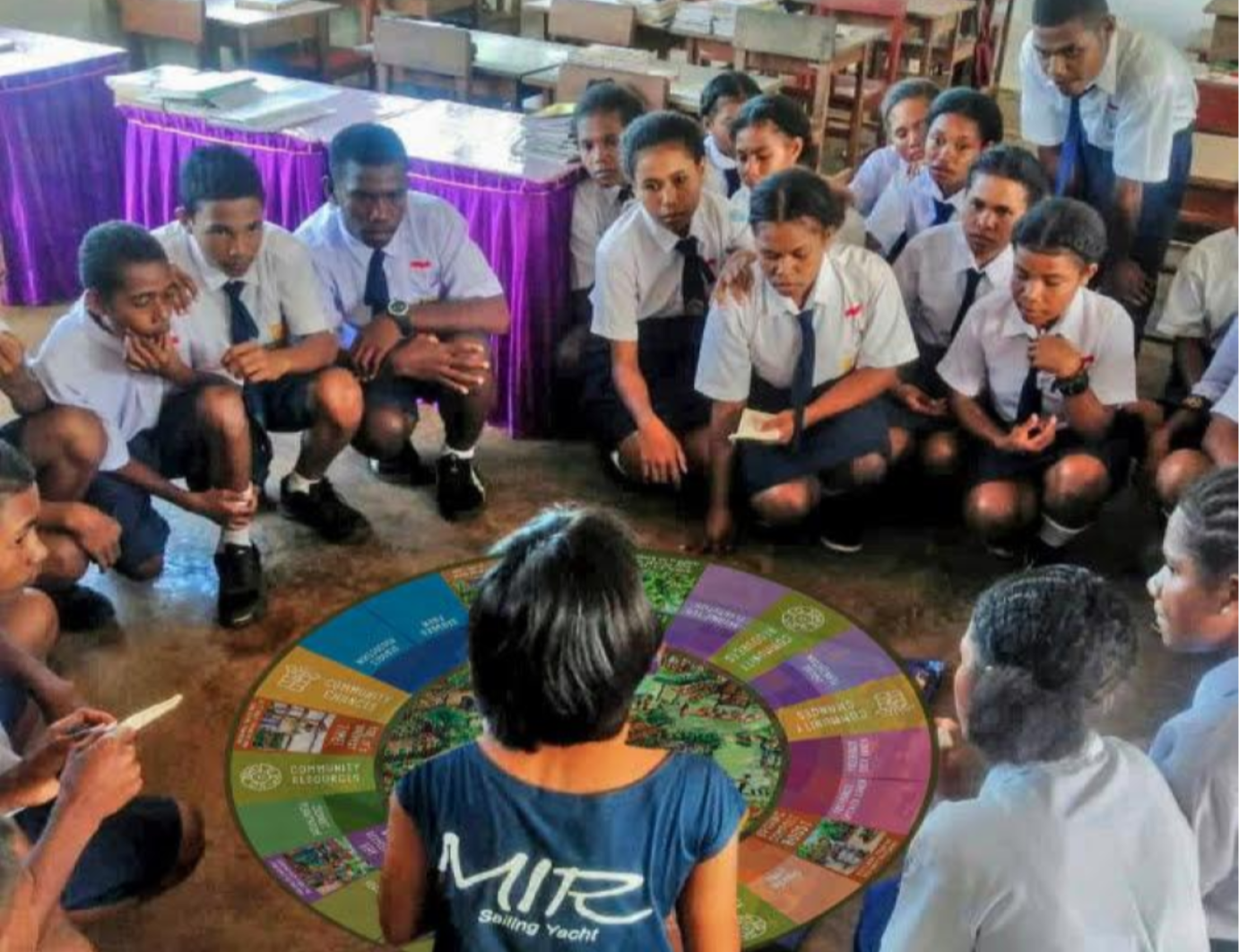
Embark on a quest to create a green, healthy, and thriving community while learning essential lessons about sustainability, disaster management and community resilience. Welcome to Filantropoli, a board game that is not only super fun, but a powerful tool for better understanding what it is like to build a sustainable, thriving village. Filantropoli is a meticulously handcrafted piece of art made with care and unique artistry. Handmade in Bali, an island renowned for its traditional craftsmanship, the game resonates with Bali’s ethos of living in harmony with nature. At its core, Filantropoli is an educational tool designed to teach the principles of community resilience. It places players in the role of various types of community builders, tasking them with creating a sustainable village. As in real life, it also introduces critical twists by challenging players to navigate and overcome the impacts of development and natural disasters together. Collaboration is at the heart of Filantropoli. Players must work together to steward farm land, generate resources and use them to build their sustainable community while collectively addressing the challenges posed by natural disasters. This collaborative aspect makes the game not just entertaining but also a great experience in teamwork and community spirit. The essence of Filantropoli revolves around building a carbon-neutral, sustainable village. Players must engage in resource bartering, earn carbon credits through tree planting, and establish land trusts to ensure the village’s prosperity and resilience. In doing so, they learn how to create a community that not only thrives but also nurtures the environment. Filantropoli is more than a game; it’s an immersive learning experience, combining fun and entertainment with valuable lessons on sustainability, community resilience, and environmental stewardship. As players progress through the game, they witness the benefits of rehabilitating environments, healthy food production, disaster risk reduction, community spirit and a deeper connection with nature. The game comes complete with a game board, community resource cards, chance cards, dice, tokens, trees, and carbon offset certificates. Each component plays a vital role in the game’s immersive and educational gameplay experience. Filantropoli comes in two game formats: tabletop and giant size. The tabletop version is perfect for family gatherings and small groups. The giant-sized format is ideal for classrooms and community events, allowing a larger audience to engage with its valuable lessons (and fun!). #FunEcoFriendlyGames #FunEcoFriendlyActivities #HandmadeInBali #HandcraftedInBali #StrategyForChangeGames #GiantGamesforGroups #PlayforCommunities #CollaborativeGame #CommunityResilienceGames
More -
Permaculture & Ecogames.net: The Fun Way to Introduce the Essential Principles
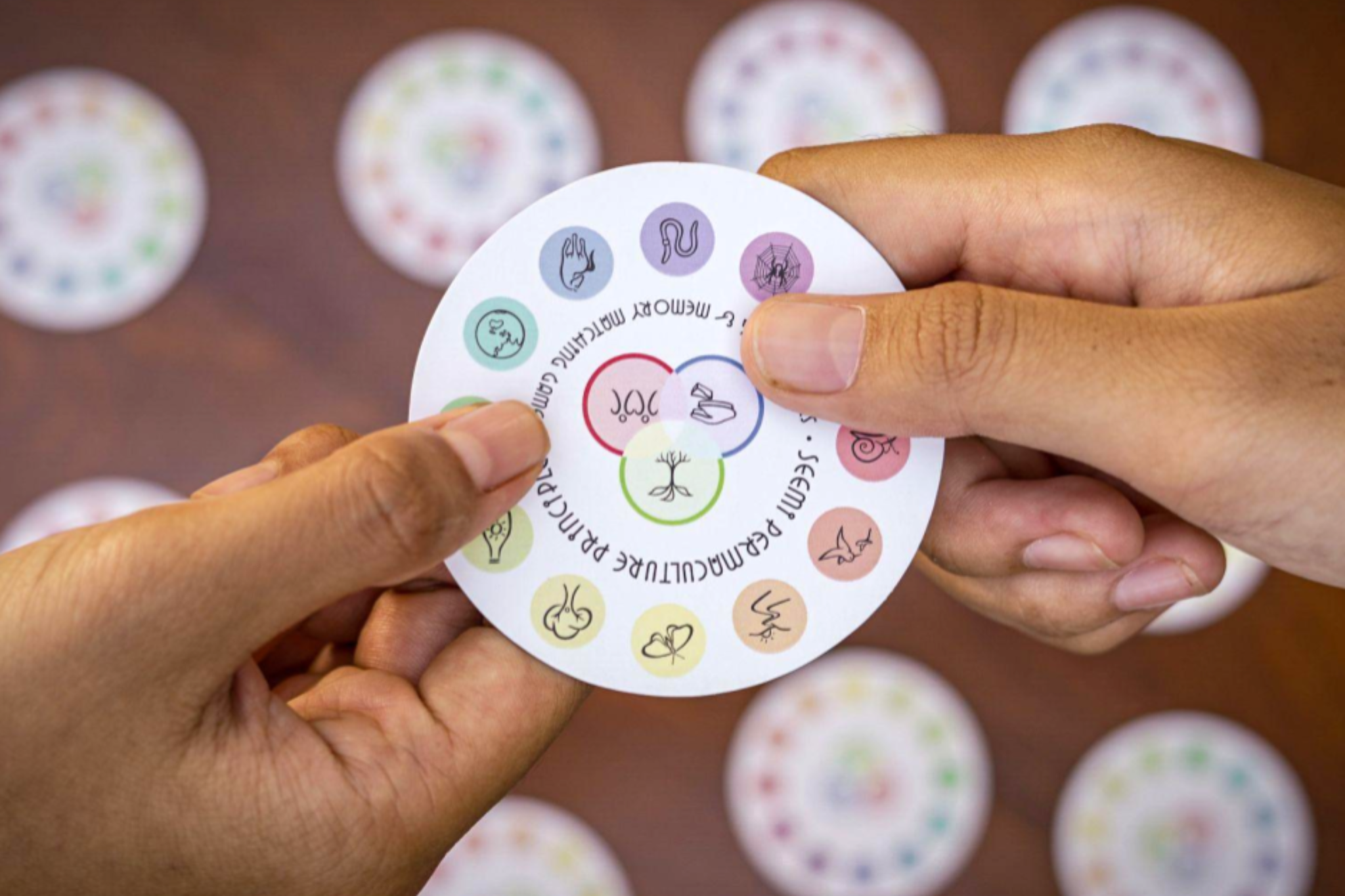
Permaculture, a sustainable design system coined from “permanent agriculture” or “permanent culture,” is a powerful framework guiding us towards a more sustainable and harmonious world. Developed in the 1970s by Australian ecologists Bill Mollison and David Holmgren, it champions core ethics: Earth Care (preserving ecosystems), People Care (meeting human needs and fostering communities), and Fair Share (equitable resource distribution). Permaculture principles promote observing and interacting with natural systems, valuing diversity, and applying small, slow solutions, touching various aspects of life, from agriculture to architecture. Introducing permaculture to kids is about nurturing ecological awareness and responsible citizenship from an early age. The Ecogames.net team is passionate about this mission and offers a range of engaging games designed to make permaculture principles and practices accessible and fun for children and adults alike. Ecogames.net’s permaculture-related games serve a variety of functions. They’re perfect for introducing kids to permaculture, whether at home, in schools, at summer camps or at eco-resorts. Many of these games also offer valuable tools for permaculture trainers and centres, enhancing retention and comprehension of permaculture practices. Additionally, they make fantastic additions to eco-education programs, fostering a deeper connection between young learners and nature. Some of the Ecogames.net’s Permaculture Related Games: Filanthropoli: In this collaborative strategy game, players work together with others to build a resilient community, while overcoming challenges due to natural and social disasters. An exciting, hands-on way to learn permaculture in action. Come in both tabletop and giant classroom formats. The Snakes & Rakes Board Game: a Permaculture Adventure: Dive into an eco-adventure where players navigate permaculture solutions and challenges. This game is great for introducing kids to Permaculture. The Game of Circles: Invites players to explore the principles and practices of using community currencies to fulfil basic needs. Based on the Permaculture ethics of care for the people and fair share, seeing how your fellow players choose to support their local community in this game is a fascinating and eye-opening experience. SeeMi Permaculture: A matching and storytelling game that introduces the 12 Permaculture Principles in a fun and interactive way. With multiple ways to play the game, it can be used at Permaculture workshops and training events and is also a great way for families to explore the Permaculture Principles together. The Permaculture Activity Book: Packed with dozens of activities, this book helps kids deepen their understanding of permaculture and how it intersects with our lives. MuZe Cubes: These dynamic storytelling games cover various permaculture themes, including gardens, rainforests and permaculture practices. They’re great for sparking creativity, environmental awareness and solution oriented storytelling. A great tool for Permaculture workshops and training events, or simply family gatherings! Seemi Garden: A garden matching game that engages young players in a fun learning experience related to sustainable gardening and nature. Nature Hunt Games: ecogames.net offers a variety of outdoors Nature Hunt Games, which encourage children to connect with their natural environment, fostering a love for the outdoors and an understanding of many of the permaculture principles. Options include Alami Garden, Alami Seaside, Color Hunt, Eco Treasure, Pollination Peek. Permaculture is more than a set of principles; it’s a way of thinking, a way of living, and a path towards a sustainable future. By introducing permaculture through engaging and educational games, we plant the seeds for a generation that not only understands these principles but also lives by them. It’s an investment in a future where Earth Care, People Care, and Fair Share are at the heart of our society. Check out our Related Games: #ClassroomEnvironmentGames #SchoolsEnvironmentalEducation #TeachEcoSolutions #EcoFriendlyOutdoorGames #EcoConsciousKidsGames #EnvironmentalEducationActivities #FunEcoFriendlyGames #FunEcoFriendlyActivities #HandmadeInBali #HandcraftedInBali #StorytellingGames #StrategyForChangeGames #GiantGamesforGroups #GamesAboutOceanConservation #PlasticPollutionAwareness #OceanCleanUp #FindMeInTheGardenGames #PermaculturePlay #SDGsforChangeEducation #SmallIslandsBigImpact #TeachingPlanetaryBoundaries #CommunityResilienceGames #RainforestLearning
More -
Filantropoli: How would you build a sustainable community?
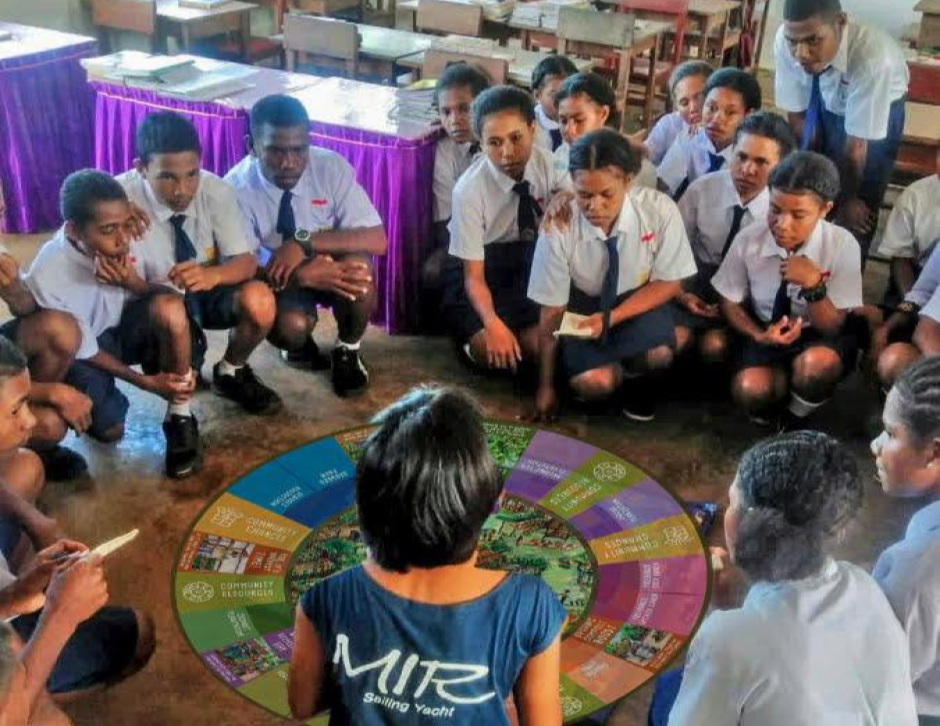
Embark on a quest to create a green, healthy, and thriving community while learning essential lessons about sustainability, disaster management and community resilience. Welcome to Filantropoli, a board game that is not only super fun, but a powerful tool for better understanding what it is like to build a sustainable, thriving village. Filantropoli is a meticulously handcrafted piece of art made with care and unique artistry. Handmade in Bali, an island renowned for its traditional craftsmanship, the game resonates with Bali’s ethos of living in harmony with nature. At its core, Filantropoli is an educational tool designed to teach the principles of community resilience. It places players in the role of various types of community builders, tasking them with creating a sustainable village. As in real life, it also introduces critical twists by challenging players to navigate and overcome the impacts of development and natural disasters together. Collaboration is at the heart of Filantropoli. Players must work together to steward farm land, generate resources and use them to build their sustainable community while collectively addressing the challenges posed by natural disasters. This collaborative aspect makes the game not just entertaining but also a great experience in teamwork and community spirit. The essence of Filantropoli revolves around building a carbon-neutral, sustainable village. Players must engage in resource bartering, earn carbon credits through tree planting, and establish land trusts to ensure the village’s prosperity and resilience. In doing so, they learn how to create a community that not only thrives but also nurtures the environment. Filantropoli is more than a game; it’s an immersive learning experience, combining fun and entertainment with valuable lessons on sustainability, community resilience, and environmental stewardship. As players progress through the game, they witness the benefits of rehabilitating environments, healthy food production, disaster risk reduction, community spirit and a deeper connection with nature. The game comes complete with a game board, community resource cards, chance cards, dice, tokens, trees, and carbon offset certificates. Each component plays a vital role in the game’s immersive and educational gameplay experience. Filantropoli comes in two game formats: tabletop and giant size. The tabletop version is perfect for family gatherings and small groups. The giant-sized format is ideal for classrooms and community events, allowing a larger audience to engage with its valuable lessons (and fun!). #ClassroomEnvironmentGames #SchoolsEnvironmentalEducation #TeachEcoSolutions #EcoFriendlyOutdoorGames #EcoConsciousKidsGames #EnvironmentalEducationActivities #FunEcoFriendlyGames #FunEcoFriendlyActivities #HandmadeInBali #HandcraftedInBali #StorytellingGames #StrategyForChangeGames #GiantGamesforGroups #GamesAboutOceanConservation #PlasticPollutionAwareness #OceanCleanUp #FindMeInTheGardenGames #PermaculturePlay #SDGsforChangeEducation #SmallIslandsBigImpact #TeachingPlanetaryBoundaries #CommunityResilienceGames #RainforestLearning
More -

Ecogames.net joins Arka Kinari’s Cultural Voyage to Sound the Environmental Alarm
In a world confronted by the pressing challenges of climate change and environmental degradation, a unique vessel named Arka Kinari emerges as an iconic beacon of truth. This 70-ton sailing ship, launched by the visionary artists Filastine and Nova, represents a commitment to defending and preserving our planet’s fragile ecosystems. Arka Kinari is delivering a cultural odyssey, blending music, message, and eco-consciousness to inspire change. During its Jawa tour Arka Kinari made use of EcoGames,net games for environmental education, supporting its mission to promote and build awareness about the critical state of our world’s environment. Building environmental understanding and awareness in remote island communities, especially with children, can be a daunting task. For the Arka Kinari crew, ecogames.net Octoputs & MuZe Cubes games were really helpful, as children found new ways to connect, particularly in the coastal Pesantren schools where maritime life and climate change education are paramount. Children who were invited to visit the vessel not only enjoy the games but also gain valuable insights into the importance of preserving our oceans and combating climate change. By day, Arka Kinari serves as a cultural platform, hosting workshops, skill-sharing sessions, and intimate concerts featuring local musicians. By night, the ship undergoes a mesmerizing transformation into a stage for Filastine & Nova’s captivating performance. Their fusion of traditional Javanese melodies with contemporary electronic music serves as a powerful alarm call for the climate crisis, accompanied by cinematic visuals that envision a post-carbon future. Remote island communities hold a special place in Arka Kinari’s heart, as they are often the most vulnerable to the effects of climate change and environmental degradation. Here, the Octoputs & MuZe Cubes games take on even greater significance. As children on these isolated islands engage with this educational game, they not only share knowledge about marine life, plastic pollution and climate change. Playing Octoputs & MuZe Cubes fosters teamwork and collaboration. This cooperative aspect of the game instils values of community and shared responsibility, which are vital for these isolated societies facing unique environmental threats. As children interacted with Arka Kinari’s crew and maritime network relationships that the vessel rekindled, they gained exposure to diverse cultures, languages, and ideas. This exposure broadens their horizons and reinforces the importance of global cooperation in protecting our planet. Here is some more information about Arka Kinari’s Mission Arka Kinari’s slow tour is a revival of the maritime network that once served as the original internet, connecting diverse peoples, languages, and ideas. This extraordinary vessel retraces disappearing trade routes, carrying culture as its cargo to rekindle the connection between communities and their waterfronts. Arka Kinari’s maiden voyage took it through twenty-three nations, spanning the Atlantic, Caribbean, and even the challenging Panama Canal. The vessel’s arrival in Indonesia in September 2020 marked a triumphant return to its home waters, where it now explores the spice routes of the archipelago. As part of its mission, Arka Kinari hosts “Laut Loud,” a series of small online streaming concerts that celebrate the diversity of Indonesian music. Each episode, curated by guest experts, focuses on artists with a unique connection to the featured location. The inaugural episodes spotlight Bali and are curated by Gabber Modus Operandi. Arka Kinari extends its warm embrace to artists and researchers whose work is intertwined with the seas, places, or communities they encounter during their voyage. The residency program places a special emphasis on supporting Indonesian women, providing them with an opportunity to connect with sailing life and explore remote islands. Arka Kinari offers skill-sharing workshops that cover various aspects of sustainable living. These workshops include learning essential maritime skills such as knot-tying and sail training, innovative cooking using local ingredients and spices, and an introduction to renewable energy systems, including solar and wind technologies. Arka Kinari, with its rich history and transformative mission, stands as a symbol of hope and environmental consciousness. Through its innovative use of EcoGames, dynamic performances, and a commitment to sustainability, Arka Kinari inspires individuals of all ages to become stewards of our planet. As it continues to journey through the Indonesian archipelago, Arka Kinari leaves a trail of positive change and serves as a testament to the power of art and culture in addressing the challenges of our time. #ClassroomEnvironmentGames #SchoolsEnvironmentalEducation #TeachEcoSolutions #EcoFriendlyOutdoorGames #EcoConsciousKidsGames #EnvironmentalEducationActivities #FunEcoFriendlyGames #FunEcoFriendlyActivities #HandmadeInBali #HandcraftedInBali #StorytellingGames #StrategyForChangeGames #GiantGamesforGroups #GamesAboutOceanConservation #PlasticPollutionAwareness #OceanCleanUp #FindMeInTheGardenGames #PermaculturePlay #SDGsforChangeEducation #SmallIslandsBigImpact #TeachingPlanetaryBoundaries #CommunityResilienceGames #RainforestLearning
More -

SOS: Our Oceans in Crisis – How We Can Make a Difference?
Our oceans, covering over 70% of Earth’s surface, are not just vast bodies of water but life-sustaining ecosystems crucial to the well-being of our planet. However, they are facing unprecedented degradation, posing severe threats to marine life, coastal communities, and ultimately, all of us. Some of the most pressing issues being faced by our oceans are: Plastic Pollution: Plastic waste has inundated our oceans, with approximately 8 million tons entering them each year. This non-biodegradable material harms marine life, contaminates the food chain, and contributes to the formation of colossal garbage patches, such as the Great Pacific Garbage Patch. Plastic pollution has resulted in over 100,000 marine mammal deaths and more than one million seabird deaths annually. Overfishing: Overfishing is depleting fish populations to unsustainable levels. Around 90% of global fish stocks are either overfished or fully exploited. This jeopardises the livelihoods of millions of people and disrupts ocean ecosystems. Overfishing has led to a decline in large predatory fish populations by 90% since the 1950s. Coral Reef Decline: Coral reefs, often called “rainforests of the sea,” are dying at an alarming rate due to factors like rising sea temperatures and ocean acidification. Approximately 75% of coral reefs are currently threatened. Coral reefs provide habitat for around 25% of marine species, yet 50% of coral reefs have been lost in the last three decades. Ocean Acidification: Increased carbon dioxide (CO2) levels in the atmosphere are absorbed by the oceans, causing them to become more acidic. This negatively affects shellfish, plankton, and other marine organisms with calcium carbonate shells or skeletons. Ocean acidification is occurring at a rate unparalleled in 300 million years, affecting marine organisms like oysters and mussels. Illegal Dumping and Oil Spills: Irresponsible actions by some individuals and industries lead to oil spills and illegal dumping of pollutants, causing catastrophic damage to marine ecosystems. How Pressing Are These Issues? How Can Families, Schools, and Communities Help? Reduce Plastic Usage: Families can reduce single-use plastic consumption by opting for reusable items, schools can initiate plastic reduction campaigns, and communities can organise beach cleanups. Responsible Seafood Choices: By making informed choices about the seafood they consume, families, schools, and communities can support sustainable fishing practices and reduce overfishing. Support Marine Protected Areas: Families can advocate for the creation and expansion of marine protected areas, schools can educate students about their importance, and communities can engage in conservation efforts. Reduce Carbon Footprints: Reducing carbon emissions through energy-efficient practices, adopting clean energy sources, and supporting policies that address climate change can mitigate ocean acidification. Education and Awareness: Schools play a crucial role in educating the younger generation about ocean conservation. Communities can organise awareness campaigns and workshops to mobilise action. There are several ecogames products that can really support such initiatives! Ocean degradation is a pressing issue, but if we act quickly it’s not too late to make a difference. By taking action at the family, school, and community levels, we can be part of the solution. The statistics are alarming, but they should serve as a wake-up call, inspiring us to protect these vital ecosystems for generations to come. The time to act is now. #ClassroomEnvironmentGames #SchoolsEnvironmentalEducation #TeachEcoSolutions #EcoFriendlyOutdoorGames #EcoConsciousKidsGames #EnvironmentalEducationActivities #FunEcoFriendlyGames #FunEcoFriendlyActivities #HandmadeInBali #HandcraftedInBali #StorytellingGames #StrategyForChangeGames #GiantGamesforGroups #GamesAboutOceanConservation #PlasticPollutionAwareness #OceanCleanUp #FindMeInTheGardenGames #PermaculturePlay #SDGsforChangeEducation #SmallIslandsBigImpact #TeachingPlanetaryBoundaries #CommunityResilienceGames #RainforestLearning
More -

Ecogames Makes Sustainable Development Goals (SDGs) Accessible for All
The Global Sustainable Development Goals (SDGs) are ambitious targets. set by the United Nations to address, from poverty and inequality to climate change and environmental preservation. Each of the 17 SDG goals are complex and for many they can feel distant and even intangible, making it challenging for both adults and children to grasp their applicability in our own lives. Ecogames.net aims to bridge this gap by creating engaging and educational games that bring the SDGs to life for readers of all ages, planting the seeds for future leaders to tackle some of our world’s biggest challenges and fostering a sense of responsibility towards creating a better future. Understanding the Challenge The SDGs are a roadmap for creating a more sustainable and equitable world by 2030. While these goals are crucial for the future of our planet, their complexity can make them seem overwhelming. This is especially true for young learners who are just beginning to understand the world around them. To address this challenge, Ecogames.net has developed a suite of games that break down the SDGs into relatable, engaging, and educational experiences. One of the primary objectives of Ecogames’ SDG-related games is to plant the seeds for future leaders. By making the SDGs accessible and understandable, these games empower players to envision themselves as change-makers and global citizens. Through interactive gameplay, participants can explore the various aspects of the 17 SDGs and learn how they relate to their lives. Playing Ecogames’ SDG-related games provides a unique opportunity to share insights and foster awareness and understanding of the 17 SDGs. These games cover a wide range of topics, including poverty alleviation, climate action, gender equality, and many more. By actively engaging with these themes during gameplay, players gain a deeper understanding of the challenges our world faces and the actions needed to overcome them. These games encourage players to think critically about global issues and explore creative solutions. Whether it’s through storytelling, problem-solving, or collaborative strategies, participants are prompted to discuss the relevance of each SDG to their lives and communities. As players delve into the intricacies of sustainable development, they become more aware of their role in shaping the future. This sense of responsibility extends beyond the game, inspiring individuals to take real-world actions that contribute to the achievement of the SDGs. Ecogames offers a diverse range of SDG-related games that cater to various interests and age groups. Here are some of our notable offerings: MuZeCubes SDG: These storytelling and problem-solving cubes come in both pocket and giant variations. They provide visual prompts that inspire players to craft narratives related to the SDGs. The game encourages creativity and critical thinking while fostering awareness of global issues. SDG Activity Book: Packed with dozens of creative puzzles and activities, this book offers an engaging way to delve into the SDGs. It’s an excellent resource for young learners and educators seeking to introduce the goals in an interactive manner. The SDG & Me Board Game: This board game takes players on a journey to explore the 17 SDGs. By completing challenges and making choices, participants gain a deeper understanding of the interconnectedness of the goals and the impact of their decisions. Other Ecogames games: While not explicitly designed for SDG education, many of Ecogames’ other offerings touch on various aspects of the 17 goals. All their games share a common thread—building a deeper understanding of our world and how individuals can contribute to a more sustainable future. Filanthropoli: A collaborative tabletop strategy game, Filanthropoli focuses on building community resilience. While not exclusively centred on the SDGs, it instils valuable lessons about cooperation, problem-solving, and sustainable development. Operation Ocean: Operation Ocean, an engaging and educational board game from EcoGames.net, invites players to embark on an exciting, fun and fact-filled upcycling odyssey like no other! Designed for classrooms, family game nights, or community gatherings, this game offers an immersive experience that combines fun with a profound message: We can make a difference in preserving the ocean’s health. The Nature Hunt Games series: This engaging set of outdoor exploration games that invites explorers of all ages to embark on sensory adventures, through various types of nature treasure hunts, which provide educational journeys that deepen connection with, and stewardship of, the natural environment while having heaps of fun. The Ecogames.net team will continue to tackle the challenge of making the SDGs accessible and engaging for people of all ages. Our SDG-related games inspire players to become future leaders, foster awareness and understanding, prompt meaningful discussions, and cultivate a sense of responsibility towards creating a better world. Check out some of our Related Games: #ClassroomEnvironmentGames #SchoolsEnvironmentalEducation #TeachEcoSolutions #EcoFriendlyOutdoorGames #EcoConsciousKidsGames #EnvironmentalEducationActivities #FunEcoFriendlyGames #FunEcoFriendlyActivities #HandmadeInBali #HandcraftedInBali #StorytellingGames #StrategyForChangeGames #GiantGamesforGroups #GamesAboutOceanConservation #PlasticPollutionAwareness #OceanCleanUp #FindMeInTheGardenGames #PermaculturePlay #SDGsforChangeEducation #SmallIslandsBigImpact #TeachingPlanetaryBoundaries #CommunityResilienceGames #RainforestLearning
More -

MuZe Cubes: Unleash Your Creativity, Environmental Awareness, and Global Solutions
Today, environmental awareness, fostering creativity and exploring solutions to pressing global challenges has never been more critical. MuZe Cubes is a series of innovative games from ecogames.net that not only ignite your imagination but also stimulate creative discussions about our environment and the Global Sustainable Development Goals (SDGs). MuZe Cubes come in two formats: pocket size, perfect for on-the-go entertainment, and a larger block version, ideal for bigger groups, classrooms, team events or outdoor play. These formats help ensure that MuZe Cubes can cater to various audiences and scenarios. MuZe Cubes are also suitable for all ages with versatile gameplay options for different difficulty levels and storytelling modes. The essence of MuZe Cubes lies in storytelling and idea sharing. Players take turns rolling the cubes and using the images shown as prompts for their creative narratives. These prompts serve as hints, stimulating fresh ideas related to real and imaginary scenarios, especially those centred around environmental issues. You don’t need to interpret the images literally. They can be used as metaphors or representations of broader concepts. For instance, a clock could symbolise the passage of time, a particular moment of the day, the urgency of a situation, or countless other interpretations. This flexibility allows players to unleash their metaphorical thinking, enhancing their storytelling skills. To encourage discussions about environmental solutions, you can assign points each time a storyteller incorporates a solution to a specific environmental challenge into their narrative. This encourages players to think critically, and propose creative answers to the problems our world faces today. MuZe Cubes comes in six themes, each designed to address distinct environmental issues and foster meaningful conversations. You can also mix & match the themes for an even more interesting storytelling adventure. With gameplay tailored for 2-6 players or teams, you can customise your experience by choosing from game play easy to challenging options explained in the included rulebooks. MuZe Cubes Ocean AdventureProvides insights into the marine world, promoting discussions about ocean creatures, the significance of ocean conservation, and the actions we can take to protect our oceans. MuZe Cubes Ocean Adventure fosters environmental awareness and underscores the importance of our oceans in the larger ecosystem. MuZe Cubes Imagine IslandMuZe Cubes Imagine Island invites players to explore the challenges faced by Small Islands Developing States (SIDS). Through gameplay, you’ll discover the vulnerability of these islands to climate change, including rising sea levels and land loss. Engage in meaningful discussions about the causes and effects of climate change, fostering awareness and understanding of the importance of taking action to combat it. MuZe Cubes Rainforest RescueFrom fungi to waterfalls to the pressing issue of illegal logging, what stories can you create from the images shown on the cubes? Through playing MuZe Cubes Rainforest Rescue, participants can share their thoughts on the importance of rainforests and the challenges they face. You’ll explore the astonishing biodiversity of these ecosystems, the threats of deforestation, and the vital role rainforests play in providing essential resources for our planet. Choose different play modes with varying levels of challenge and immerse yourself in an imaginative experience that combines storytelling, environmental awareness, and the exploration of rainforest conservation. MuZe Cubes Glorious GardenShare stories about colourful and productive organic gardens with MuZe Cubes Glorious Garden! Share what gardens and growing sustainable food means to you and your friends! Discover the potential of productive home gardens and explore concepts of sustainable farming. MuZe Cubes Glorious Garden is an immersive and entertaining experience that nurtures creativity and critical thinking, while fostering discussions about sustainable living. MuZe Cubes SDGs: Sustainable Development GoalsMuZe Cubes Sustainable Development Goals promotes discussions on global issues that affect our world. Use the images on the cubes as inspiration to share stories and propose solutions related to the 17 interlinked Sustainable Development Goals (SDGs). Playing MuZe Cubes SDG provides an opportunity to share insights by fostering awareness and understanding of the 17 SDGs. Players gain deeper understanding about topics such as poverty, climate action, gender equality and more. Share your ideas on collective action for sustainable development. The game prompts meaningful discussions and cultivates a sense of responsibility towards creating a better future. MuZe Cubes are not just games; they are tools for learning, reflection, and dialogue. They inspire us to think differently about the world, encourage critical thinking, and foster discussions about the environment and global challenges. Whether you’re playing with friends, family, or colleagues, MuZe Cubes offer an opportunity to connect, learn, and imagine a brighter future for our planet. So, gather your family, colleagues, friends and communities and dive into the world of facilitating storytelling. Unleash your creativity, explore environmental issues, and share your ideas for a more sustainable and resilient world. Whether you’re rolling the cubes at home, in a classroom, at a teambuilding or community event, or in the great outdoors, MuZe Cubes provide a platform for learning, dialogue, and inspiration. #ClassroomEnvironmentGames #SchoolsEnvironmentalEducation #TeachEcoSolutions #EcoFriendlyOutdoorGames #EcoConsciousKidsGames #EnvironmentalEducationActivities #FunEcoFriendlyGames #FunEcoFriendlyActivities #HandmadeInBali #HandcraftedInBali #StorytellingGames #StrategyForChangeGames #GiantGamesforGroups #GamesAboutOceanConservation #PlasticPollutionAwareness #OceanCleanUp #FindMeInTheGardenGames #PermaculturePlay #SDGsforChangeEducation #SmallIslandsBigImpact #TeachingPlanetaryBoundaries #CommunityResilienceGames #RainforestLearning
More