At Ecogames, environmental responsibility and craftsmanship for our game production is one of our passions. Our team is committed to creating durable and sustainable learning tools, and wherever possible, doing it the good old-fashioned way, with human hands. Our production methodologies allow us to make small on-demand production runs that both support local artisans and help keep our production’s carbon footprint to a minimum. We use locally sourced, artisanally-produced upcycled plastic trash, carved sustainable wood, and hand sewn and silk screened fabrics. We avoid single use plastic packaging and instead use materials that are either compost-able or long-lasting and reusable to pack up our educational games. Our one compromise comes when we consider the longevity of our outdoor and classroom games. The all-weather vinyl that we use for our giant game boards and their carrier bags ensure our giant classroom games can be used hundreds of times, while still maintaining their integrity. Ecogames also prioritizes community collaboration in our production process. We’ve teamed up with a network of micro, small, and medium enterprises in Bali and neighboring Indonesian islands. From seamstresses to wood crafters and silkscreen artists, the people behind the scenes that make ecogames products possible are part of the wider ecogames family. Let’s take a look at some of our unique materials One of the materials we use is our colorful and durable plastic game pieces that are made from upcycled trash. For these unique items we collaborate with Robries who to date have repurposed and removed from the waste stream 64+ Tons of plastic trash, including 200+ Million bottle caps. At Robries large flat blocks are made by slowly melting down carefully cleaned and sorted trash that has been specified to match our custom designed color palette. The blocks are then laser cut at a small home industry in Bali that employs skilled artisans who specialize in creating the shapes of our game’s upcycled plastic components. To learn more about the Precious Plastic production we use and its impacts see this article. Our wooden games are carefully sized and then precision handcrafted by an artisanal woodcrafting team in West Java that specializes in shaping wooden toys. Each element is carved from kiln-dried durable pine wood, a lightweight, sustainable material that is perfect for natural game production. Once the wooden elements are hand-cut, they are then silk screened by hand-printing craftspeople, giving each piece a unique character and flair. Ecogames’ cloth material game component and natural packaging elements are created in collaboration with a small family business in Bali that we have been collaborating with for years. Pak Rudi and his family are generations of tailors that take the deepest pride in every item they sew. Unless customized digital printing is used in their designs, once sewn, each bag is then hand silk screened for the game’s finishing touch. At ecogames we are constantly exploring opportunities for innovative upcycling and eco-friendliness for our educational game production as well as eco-conscious game producers we can share resources with. Do you have any suggestions for further collaborations? Feel free to reach out to us at hello@ecogames.net And thank you so much for considering purchasing one of our creations. Together, we can appreciate and support human ingenuity while nurturing our planet. Please do check out our some of our unique Handcrafted Games: #ClassroomEnvironmentGames #SchoolsEnvironmentalEducation #TeachEcoSolutions #EcoFriendlyOutdoorGames #EcoConsciousKidsGames #EnvironmentalEducationActivities #FunEcoFriendlyGames #FunEcoFriendlyActivities #HandmadeInBali #HandcraftedInBali #StorytellingGames #StrategyForChangeGames #GiantGamesforGroups #GamesAboutOceanConservation #PlasticPollutionAwareness #OceanCleanUp #FindMeInTheGardenGames #PermaculturePlay #SDGsforChangeEducation #SmallIslandsBigImpact #TeachingPlanetaryBoundaries #CommunityResilienceGames #RainforestLearning
More-

Our Handcrafted Production: made in Bali with Care
-

Empowering Tomorrow’s Stewards: The Crucial Role of Climate Change Education
In the tapestry of global challenges, few threads are as intricately woven into the fabric of our experience of the future as climate change. As we navigate the complexities of our changing world, one thing is clear: climate change education is not a mere choice; it’s an absolute necessity. The Climate Crisis is a Global Emergency. At the heart of climate change education lies the recognition of the climate crisis. It’s a multifaceted challenge that encompasses rising global temperatures, more frequent and severe weather events, melting ice caps, sea-level rise, and the loss of biodiversity. Climate change is no longer a distant threat; it’s an unfolding reality that affects every corner of the globe. Global Temperature Rise: As of 2021, global temperatures had already risen by approximately 1.2 degrees Celsius above pre-industrial levels. The Paris Agreement aims to limit this increase to well below 2 degrees Celsius and, if possible, to 1.5 degrees Celsius. Extreme Weather Events: The frequency and intensity of extreme weather events, from hurricanes to wildfires, have been on the rise. In 2020 alone, the Atlantic hurricane season shattered records, with a total of 30 named storms. Melting Ice Caps: Polar ice caps and glaciers are losing mass at an alarming rate. The Arctic is warming at twice the global average, resulting in extensive ice loss.Sea-Level Rise: Rising sea levels threaten coastal communities, with projections of up to 2 metres of sea-level rise by 2100 under high-emissions scenarios. Biodiversity Loss: The current rate of species extinction is estimated to be hundreds to thousands of times higher than the natural rate, primarily due to habitat loss and climate change. The Imperative of Climate Change EducationFamilies, schools, and communities play pivotal roles in shaping the response to the climate crisis. Climate change education is the linchpin that can transform individuals into informed advocates and responsible stewards of the planet. Here’s why it’s imperative: Awareness & Informed Choices: Climate change education fosters awareness of the causes and consequences of climate change. It equips individuals with the knowledge needed to understand the science behind climate change. Armed with knowledge, individuals can make informed choices in their daily lives. They can reduce their carbon footprint by conserving energy, minimising waste, and adopting sustainable consumption habits. Advocacy & Youth Engagement: Climate-educated individuals can advocate for climate action within their communities and on a broader scale. They can engage with policymakers and support initiatives that prioritise climate resilience and sustainability. Young people are at the forefront of the climate movement. Climate education empowers them to take meaningful action, whether through youth-led climate strikes, community projects, or eco-conscious entrepreneurship. Climate education encourages critical thinking and problem-solving. It nurtures the skills needed to address complex environmental challenges. How Families Can Help Parents can model sustainable behaviours for their children. Simple changes, such as reducing single-use plastics, conserving water, and reducing energy consumption, can make a significant impact. Foster a sense of curiosity about the natural world in your kids. Explore nature together, whether it’s through hikes, birdwatching, or gardening. Encourage questions and exploration. Seek out age-appropriate climate education resources and engage in conversations. Books, documentaries, and websites that can engage children and teenagers in learning about climate change. Initiate open conversations about climate change. Discuss its causes, consequences, and solutions. Encourage children to share their thoughts and ideas. How Schools Can HelpIncorporate Climate Education & Hands-On Learning: Schools can integrate climate education into their curriculum at all levels. This includes teaching climate science, sustainability, and the social impacts of climate change. Create opportunities for hands-on learning, such as school gardens, climate-related projects, and field trips to ecological sites. Establish Climate Clubs & Conduct Teacher Training: Establish climate clubs or eco-teams within schools to empower students to take action on climate issues. Provide professional development opportunities for educators to enhance their climate literacy and teaching skills. How Communities Can HelpConduct Community Workshops & Support Local Initiatives & Collaboration: Organise climate workshops and seminars for community members of all ages. These can cover topics like sustainable living, renewable energy, and local climate initiatives. Communities can support local climate initiatives, such as renewable energy projects, tree planting, and clean-up efforts. Encourage collaboration between schools, local organisations, and businesses to create a cohesive approach to climate education. Celebrate Eco-Heroes: Recognize and celebrate individuals or groups within the community who are making significant contributions to climate action. Climate change education is an investment in our collective future. It equips us with the knowledge, skills, and motivation needed to address the pressing challenges of our time. We need to foster climate literacy in our homes, schools, and communities, and nurture a generation of informed and empowered climate advocates who will drive positive change and safeguard our future on the planet we call home. Ecogames.net offers a wide range of educational tools for enhancing Climate Education: #ClassroomEnvironmentGames #SchoolsEnvironmentalEducation #TeachEcoSolutions #EcoFriendlyOutdoorGames #EcoFriendlyBoardGames #EcoConsciousKidsGames #EnvironmentalEducationActivities #FunEcoFriendlyGames #FunEcoFriendlyActivities #HandmadeInBali #HandcraftedInBali #NatureHuntAdventure #StorytellingGames #StrategyForChangeGames #PollinationEducation #EcoPuzzles #GiantGamesforGroups #EcoActivityBooks #GuessingGames #GamesAboutOceanConservation #PlasticPollutionAwareness #OceanCleanUp #FindMeInTheGardenGames #PermaculturePlay #SDGsforChangeEducation #SmallIslandsBigImpact #TeachingPlanetaryBoundaries #CommunityResilienceGames #RainforestLearning
More -

Navigating the Precarious Limits: Understanding Our Planetary Boundaries
The Earth, our shared home, is facing challenges of unprecedented magnitude. In September 2023, a landmark scientific study marked a turning point in our understanding of these challenges. For the first time, scientists quantified the nine planetary boundaries that regulate the stability and resilience of our Earth system. These boundaries delineate the safe operating space within which humanity can flourish while respecting the delicate balance of our planet’s ecosystems. Behind this groundbreaking concept are the efforts of visionary scientists like Johan Rockström and Will Steffen, who, in 2009, initiated an international collaboration to assess the impact of human activities on Earth’s vital processes. The concept of Planetary Boundaries is a testament to the power of global collaboration in science. This international team of experts brought together diverse fields to comprehend the intricate web of processes that sustain life on Earth. These nine critical processes encompass climate change, biodiversity loss, land use change, biogeochemical flows, ocean acidification, ozone depletion, freshwater use, and atmospheric aerosol loading. Each process is a vital thread in the intricate tapestry of our planet’s life-support systems. The Alarm Bells: Six of Nine Boundaries CrossedIn a sobering revelation, the latest update on the planetary boundaries framework concludes that we have breached six of the nine boundaries. Crossing these boundaries amplifies the risk of catastrophic and irreversible environmental changes. While these changes might not occur overnight, they represent a clear and present danger to our world. The interrelated nature of these boundaries highlights the inadequacy of focusing solely on climate change. Understanding the complex interactions between climate change and biodiversity loss is paramount. Only through this holistic perspective can we hope to find solutions to the environmental challenges that threaten our very existence. Since its inception, the planetary boundaries framework has attracted immense interest from the scientific community, policymakers, and practitioners. But it’s not solely the responsibility of scientists and policymakers to address these challenges; it’s a collective endeavour. Let’s take a brief look at what our Planetary Boundaries are: Novel Entities – Chemical & Plastic Pollution: Reducing chemical pollution begins with responsible chemical use and waste disposal. (The extent of chemical pollution varies widely, but it poses significant threats to ecosystems and human health.) Addressing plastic pollution requires reducing plastic consumption, improving recycling systems, and supporting policies to reduce plastic waste. (Every year, millions of tons of plastic waste enter the oceans, harming marine life.) Erosion of Biosphere Integrity: Conservation efforts and habitat preservation are necessary to stem the tide of biodiversity loss. (The current rate of species extinction is estimated to be hundreds to thousands of times higher than the natural rate.) Biogeochemical Flows in the Nitrogen and Phosphorus Cycles: Sustainable agricultural practices and reduced fertiliser use can help curb excessive nutrient flows. (Current rates of nitrogen fixation are estimated to be more than double the limit, contributing to environmental issues such as water pollution. Human activity has significantly disrupted the phosphorus cycle.) Climate Change: To address climate change, we must collectively reduce greenhouse gas emissions, transition to renewable energy sources, and implement sustainable land-use practices. Families can reduce their carbon footprint through energy-efficient homes and transportation choices. (As of 2021, CO2 concentrations in the atmosphere exceeded 410 ppm, and global temperatures had already risen by approximately 1.2 degrees Celsius above pre-industrial levels.) Land System Change: Halting deforestation and promoting sustainable land-use practices are vital. (Currently, approximately 38% of the world’s land is used for agriculture, and deforestation continues to threaten vital ecosystems.) Global Freshwater Use: Responsible water management, reducing water waste, and supporting water conservation initiatives are critical. (As of 2021, global freshwater withdrawals were estimated at over 4,000 km3/yr, leading to concerns about water scarcity in many regions.) Ocean Acidification: Protecting our oceans requires us to reduce carbon emissions and curtail ocean pollution. Supporting marine conservation efforts and responsible seafood choices can make a difference. (Currently, the world’s oceans have become about 30% more acidic since the beginning of the industrial era.) Stratospheric Ozone Depletion: Continuing the success story of the Montreal Protocol is essential in preventing further ozone depletion. (Thanks to international agreements like the Montreal Protocol, the ozone layer is gradually recovering.) Atmospheric Aerosol Loading: Controlling aerosol concentrations in the atmosphere is vital for climate and health. Emission reductions from industries and vehicles are key. (High aerosol levels can impact weather, climate, and lead to respiratory issues.) Empowering Future Generations: Teaching Children About Planetary Boundaries In our mission to reverse these trends and preserve the planet’s boundaries, one of the most crucial aspects is educating the next generation. Teaching children about planetary boundaries is not just an option; it’s an imperative. It’s a means to empower them with the knowledge and awareness needed to make informed choices that can shape the future of our planet. The consequences of crossing these planetary boundaries are not hypothetical scenarios but real threats that today’s children and their descendants will have to grapple with. By instilling an understanding of these challenges from an early age, we equip our children to become informed and proactive stewards of the environment. Early education about planetary boundaries serves several vital purposes: Engaging Learning ExperiencesEngaging children in learning experiences that explore planetary boundaries can be both fun and enlightening. Here are a few ideas: Understanding planetary boundaries is not just a scientific endeavour—it’s a shared responsibility. It’s a call to action for individuals, families, schools, and communities. By teaching children about these boundaries, we empower them to become informed and passionate advocates for the environment. Together, we need to navigate these planetary boundaries and ensure a future for our planet and the generations that will inherit it. Check out our Related Games: #ClassroomEnvironmentGames #SchoolsEnvironmentalEducation #TeachEcoSolutions #EcoConsciousKidsGames #EnvironmentalEducationActivities #FunEcoFriendlyGames #FunEcoFriendlyActivities #HandmadeInBali #StorytellingGames #StrategyForChangeGames #PollinationEducation #EcoPuzzles #EcoActivityBooks #GuessingGames #GamesAboutOceanConservation #PlasticPollutionAwareness #OceanCleanUp #FindMeInTheGardenGames #PermaculturePlay #SDGsforChangeEducation #SmallIslandsBigImpact #TeachingPlanetaryBoundaries #CommunityResilienceGames #RainforestLearning #DisasterRiskReductionEducation #DRRfor Kids
More -
The Pollinator Predicament: Why Their Survival Matters Now & how we can all help
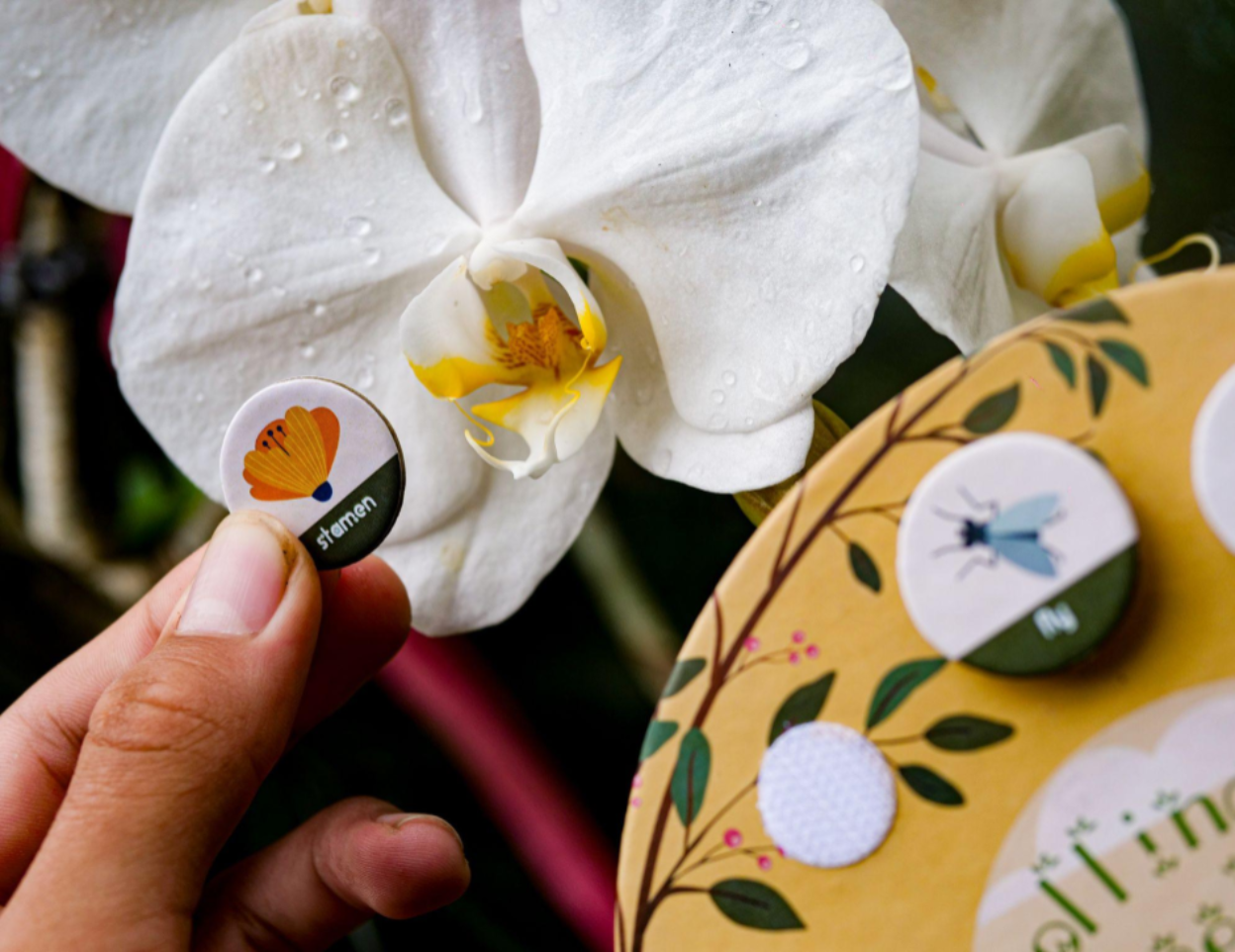
Our world is buzzing with life, thanks to the tireless work of pollinators. These small but mighty creatures, including bees, butterflies, birds, and bats, play a pivotal role in our ecosystem by fertilising plants as they move pollen from one flower to another. However, these unsung heroes of the natural world are facing a multitude of threats that demand our immediate attention. What are the Key Issues Our World’s Pollinators are Facing? Habitat Loss: One of the most significant threats to pollinators is the loss of their natural habitats. Urbanisation, deforestation, and industrial agriculture have led to the destruction of critical pollinator nesting sites and foraging grounds. Pesticides: The use of chemical pesticides, especially neonicotinoids, poses a grave danger to pollinators. These chemicals not only kill pests but also harm beneficial insects like bees. Pesticides can contaminate nectar and pollen, making them toxic to pollinators. Climate Change: Rapid shifts in climate patterns disrupt the delicate synchrony between plants and their pollinators. Changes in temperature and precipitation can affect the timing of flowering and pollinator activity, leading to a mismatch that threatens the survival of both. Disease: Pollinators are susceptible to diseases, including the infamous Colony Collapse Disorder that affects honeybee populations. These diseases can spread quickly within pollinator colonies, decimating their numbers. The decline of pollinators is not a future concern; it’s happening right now, and the consequences are far-reaching. Our food system relies heavily on pollinators. Over 75% of global food crops depend on pollination, including staples like fruits, vegetables, and nuts. The economic value of pollinators’ services is estimated at billions of dollars annually. Moreover, pollinators contribute to biodiversity by facilitating plant reproduction. Their work helps maintain diverse ecosystems, supporting other wildlife and preserving the genetic diversity of plant species. To put the global threat into context let’s look at some key statistics The loss of pollinators could result in decreased crop yields, increased food prices, and reduced dietary diversity for billions of people. It could also lead to the extinction of plant species, affecting entire ecosystems. How You Can Be Part of the Solution Families, schools, and communities can play a crucial role in pollinator conservation. Here’s how:Plant Pollinator-Friendly Gardens: Whether you have a backyard or a small balcony, you can create a pollinator-friendly oasis. Choose native plants that provide nectar and pollen for bees and butterflies. Avoid using pesticides in your garden. Support Organic Farming: Buy organic produce whenever possible. Organic farming practices are less harmful to pollinators because they restrict the use of synthetic pesticides. Educate and Advocate: Raise awareness about pollinator conservation in your community and schools. Encourage local authorities to adopt pollinator-friendly policies, such as planting wildflowers along roadsides. Support Integrated Pollinator Habitats: Enhance your pollinator-friendly garden with a diverse array of nectar-rich flowers that bloom throughout the seasons, ensuring a continuous food source for bees, butterflies, and other pollinators. Incorporate a “bee hotel” nesting site to encourage their presence for ongoing pollination, as well as a “bee bath,” a shallow basin filled with water and pebbles, as a watering station. Protecting pollinators is not just an environmental concern; it’s a matter of food security, biodiversity, and ecosystem resilience. The threats facing these remarkable creatures are urgent, and the time to act is now. By adopting pollinator-friendly practices at home, advocating for change in your community, and supporting organisations working tirelessly to protect pollinators, you can be part of the solution. Check out our some of our Pollination Education Related Games: #ClassroomEnvironmentGames #SchoolsEnvironmentalEducation #TeachEcoSolutions #EcoFriendlyOutdoorGames #EcoConsciousKidsGames #EnvironmentalEducationActivities #FunEcoFriendlyGames #FunEcoFriendlyActivities #HandmadeInBali #StorytellingGames #PollinationEducation #EcoGamesforGroups #FindMeInTheGardenGames #PermaculturePlay #RainforestLearning
More -
Filantropoli: How would you build a sustainable community?
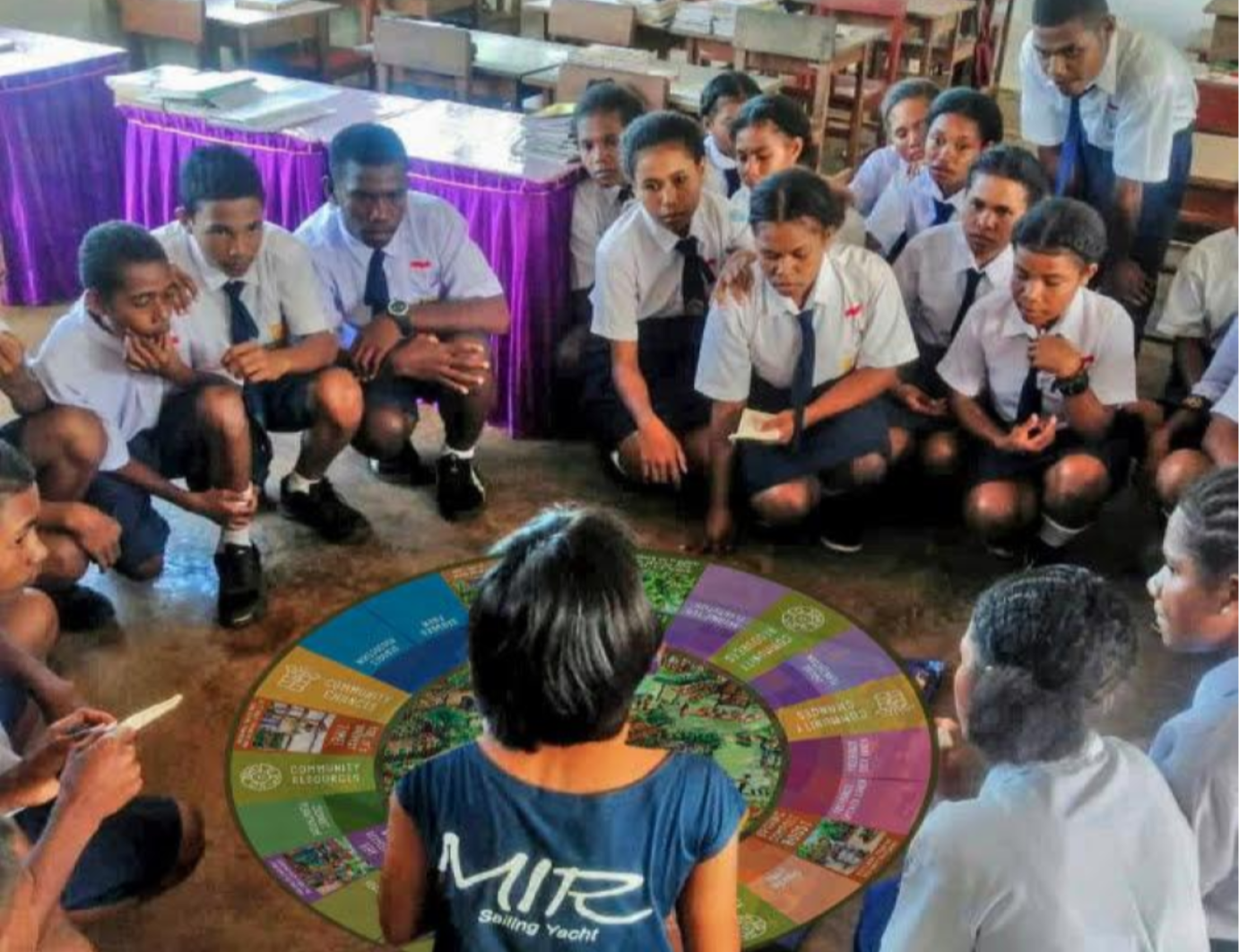
Embark on a quest to create a green, healthy, and thriving community while learning essential lessons about sustainability, disaster management and community resilience. Welcome to Filantropoli, a board game that is not only super fun, but a powerful tool for better understanding what it is like to build a sustainable, thriving village. Filantropoli is a meticulously handcrafted piece of art made with care and unique artistry. Handmade in Bali, an island renowned for its traditional craftsmanship, the game resonates with Bali’s ethos of living in harmony with nature. At its core, Filantropoli is an educational tool designed to teach the principles of community resilience. It places players in the role of various types of community builders, tasking them with creating a sustainable village. As in real life, it also introduces critical twists by challenging players to navigate and overcome the impacts of development and natural disasters together. Collaboration is at the heart of Filantropoli. Players must work together to steward farm land, generate resources and use them to build their sustainable community while collectively addressing the challenges posed by natural disasters. This collaborative aspect makes the game not just entertaining but also a great experience in teamwork and community spirit. The essence of Filantropoli revolves around building a carbon-neutral, sustainable village. Players must engage in resource bartering, earn carbon credits through tree planting, and establish land trusts to ensure the village’s prosperity and resilience. In doing so, they learn how to create a community that not only thrives but also nurtures the environment. Filantropoli is more than a game; it’s an immersive learning experience, combining fun and entertainment with valuable lessons on sustainability, community resilience, and environmental stewardship. As players progress through the game, they witness the benefits of rehabilitating environments, healthy food production, disaster risk reduction, community spirit and a deeper connection with nature. The game comes complete with a game board, community resource cards, chance cards, dice, tokens, trees, and carbon offset certificates. Each component plays a vital role in the game’s immersive and educational gameplay experience. Filantropoli comes in two game formats: tabletop and giant size. The tabletop version is perfect for family gatherings and small groups. The giant-sized format is ideal for classrooms and community events, allowing a larger audience to engage with its valuable lessons (and fun!). #FunEcoFriendlyGames #FunEcoFriendlyActivities #HandmadeInBali #HandcraftedInBali #StrategyForChangeGames #GiantGamesforGroups #PlayforCommunities #CollaborativeGame #CommunityResilienceGames
More -

Matching Games that Introduce Environmental Issues to All Ages
With ecogames.net Matching Games, fun and education go hand in hand, so come explore environmental themes in a fun and exciting way. Whether you’re passionate about ocean conservation, garden life, Permaculture, or tackling plastic pollution, there’s a SeeMi Matching Game for you. These games are not just for kids; they’re perfect for the whole family. They provide a platform for learning, discussion, and raising awareness about environmental issues. If you’re looking for a way to combine entertainment, education, and environmental awareness, ecogames.net’s Matching Games are a great choice. With a variety of different games and environmental themes, there are many ways to enjoy these games while also learning about important environmental issues. And all of our matching games come in travel-sized eco-friendly tins or boxes, making them a great companion for sparking fun and important discussions, wherever you go! Why do we love Matching Games? These games stimulate children’s brain development. Memory skills are honed as kids remember the locations of matching pairs, enhancing retention and recall information. Their visual perception is sharpened as they identify similarities and differences between colours, shapes or objects. Matching games also encourage the development of critical thinking and problem-solving as children strategize to find matches. Using ecogames’ matching games not strengthens analytical skills, it also cultivates patience and concentration. Matching games also offer a welcome alternative to screen time for children, which can be a relief for parents seeking balanced and engaging activities. ecogames’ matching games provide an opportunity for kids to unplug and engage in face-to-face interactions with family members or friends. They promote social bonding, communication, and cooperation, as players take turns, strategize, and compete in a friendly manner. SeeMi Ocean: Dive into Fun and Environmental Awareness SeeMi Ocean is a memory game that combines finding matching pairs with visual clues that introduce ocean conservation. Designed for 2-8 players or teams, the goal is simple: flip over two tokens at a time and try to find matching pairs. As you earn points, you’ll be invited to consider a world of weird and wonderful ocean creatures as well as plastic pollution in our oceans. What sets SeeMi Ocean apart is its versatility. The game includes instructions for several gameplay variations based on the age of the players and the available playtime. Whether you have just a few minutes or want to delve into a more extended gaming session, SeeMi Ocean can adapt to your needs. SeeMi Garden: Revisiting the Beauty of Nature Challenge yourself to find matching pairs of garden critters, flora, and sustainable gardening tools in this portable and enjoyable game. Play with 2-8 players or teams, or even enjoy it as a solitaire game to enhance your memory skills. The gameplay is straightforward: flip over two tokens at a time to find matches and earn points. In the process, you’ll discover garden life, from critters to the tools we use to grow food sustainably. SeeMi Garden includes 60 garden-themed tokens, allowing for varied gameplay setups. It offers 30 minutes or more of engaging playtime, helping you develop memory, concentration, and cognitive skills while fostering a deeper appreciation for gardens and nature. SeeMi Permaculture: Learn and Have Fun Together SeeMi Permaculture is a game that introduces the 12 Principles of Permaculture design in an accessible and enjoyable format suitable for kids of all ages. Whether you’re a young environmental enthusiast or an older player looking to explore and share perspectives on Permaculture Principles, this game offers a fantastic opportunity for both learning and fun. The game consists of 72 clue tokens, each related to at least two Permaculture Principles. These tokens feature visuals and examples of how the principles apply, encouraging players to think critically and creatively. To earn points, players not only identify matching pairs but also engage in meaningful discussions about how the principles relate to the images on the tokens. By encouraging dialogue and exploration, SeeMi Permaculture helps players deepen their understanding of Permaculture and its relevance to their local conditions. Operation Ocean Memory: Combining Fun and Ocean Awareness Operation Ocean Memory is another exciting addition to the ecogames.net Matching Games collection. Dive into the depths of memory challenges as you explore the underwater world and uncover pairs of stunning ocean creatures. Earn points by assisting the diver in cleaning up ocean trash, but beware of the rubbish on the ocean flow that can reduce your score. The game offers engaging gameplay for 2-6 players aged 7 and above while raising awareness about plastic pollution in our oceans. Beyond the excitement, Operation Ocean Memory sheds light on the pressing issue of plastic pollution in our oceans. With 8 million tons of plastic entering the seas each year, marine life and ecosystems are greatly impacted. From sea turtles to whales and seabirds to coral reefs, plastic waste poses a significant threat. You can learn more about our oceans here… Check out our Related Games: #ClassroomEnvironmentGames #SchoolsEnvironmentalEducation #TeachEcoSolutions #EcoFriendlyOutdoorGames #EcoConsciousKidsGames #EnvironmentalEducationActivities #FunEcoFriendlyGames #FunEcoFriendlyActivities #HandmadeInBali #HandcraftedInBali #StorytellingGames #StrategyForChangeGames #GiantGamesforGroups #GamesAboutOceanConservation #PlasticPollutionAwareness #OceanCleanUp #FindMeInTheGardenGames #PermaculturePlay #SDGsforChangeEducation #SmallIslandsBigImpact #TeachingPlanetaryBoundaries #CommunityResilienceGames #RainforestLearning
More -
Permaculture & Ecogames.net: The Fun Way to Introduce the Essential Principles
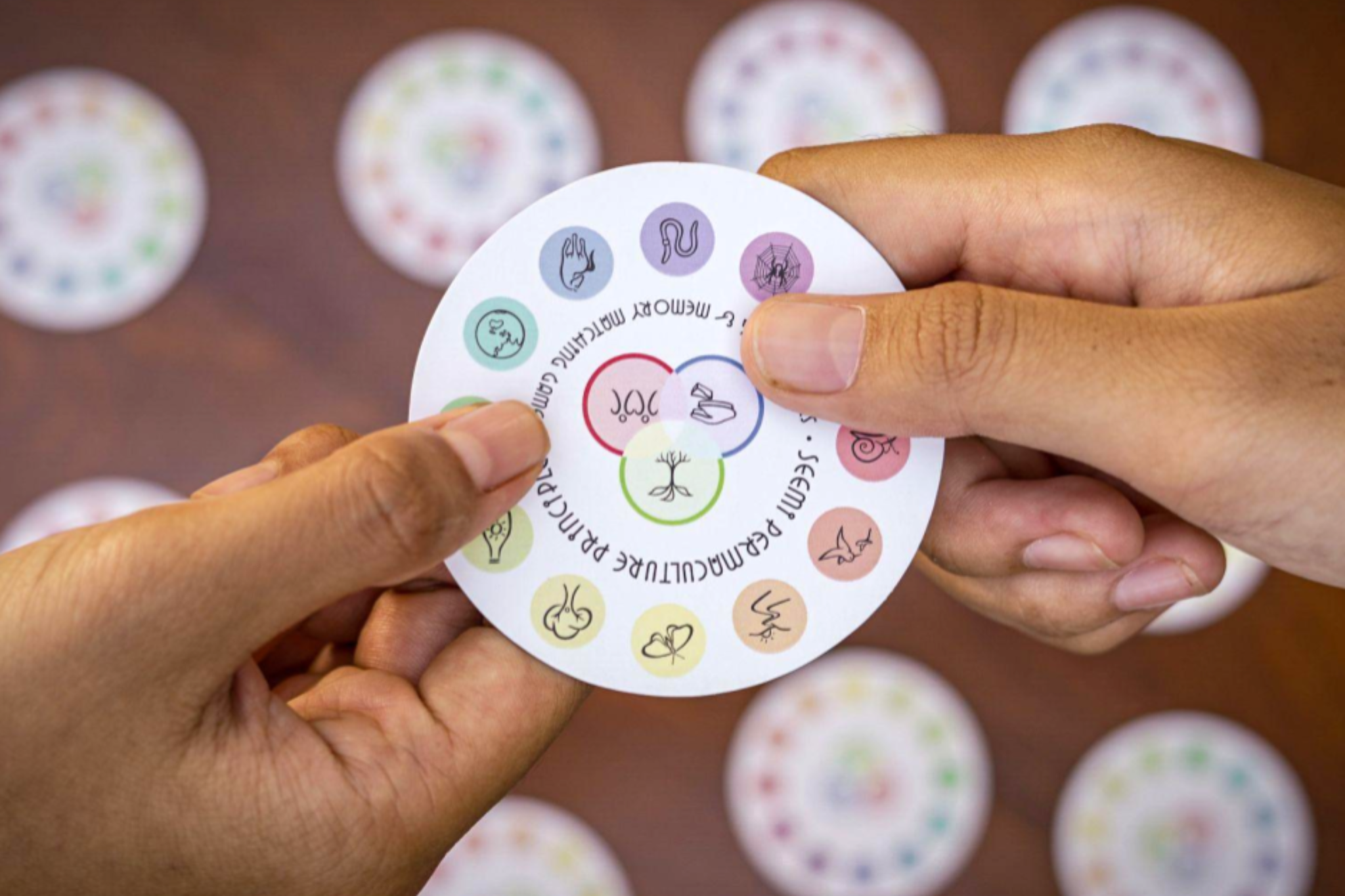
Permaculture, a sustainable design system coined from “permanent agriculture” or “permanent culture,” is a powerful framework guiding us towards a more sustainable and harmonious world. Developed in the 1970s by Australian ecologists Bill Mollison and David Holmgren, it champions core ethics: Earth Care (preserving ecosystems), People Care (meeting human needs and fostering communities), and Fair Share (equitable resource distribution). Permaculture principles promote observing and interacting with natural systems, valuing diversity, and applying small, slow solutions, touching various aspects of life, from agriculture to architecture. Introducing permaculture to kids is about nurturing ecological awareness and responsible citizenship from an early age. The Ecogames.net team is passionate about this mission and offers a range of engaging games designed to make permaculture principles and practices accessible and fun for children and adults alike. Ecogames.net’s permaculture-related games serve a variety of functions. They’re perfect for introducing kids to permaculture, whether at home, in schools, at summer camps or at eco-resorts. Many of these games also offer valuable tools for permaculture trainers and centres, enhancing retention and comprehension of permaculture practices. Additionally, they make fantastic additions to eco-education programs, fostering a deeper connection between young learners and nature. Some of the Ecogames.net’s Permaculture Related Games: Filanthropoli: In this collaborative strategy game, players work together with others to build a resilient community, while overcoming challenges due to natural and social disasters. An exciting, hands-on way to learn permaculture in action. Come in both tabletop and giant classroom formats. The Snakes & Rakes Board Game: a Permaculture Adventure: Dive into an eco-adventure where players navigate permaculture solutions and challenges. This game is great for introducing kids to Permaculture. The Game of Circles: Invites players to explore the principles and practices of using community currencies to fulfil basic needs. Based on the Permaculture ethics of care for the people and fair share, seeing how your fellow players choose to support their local community in this game is a fascinating and eye-opening experience. SeeMi Permaculture: A matching and storytelling game that introduces the 12 Permaculture Principles in a fun and interactive way. With multiple ways to play the game, it can be used at Permaculture workshops and training events and is also a great way for families to explore the Permaculture Principles together. The Permaculture Activity Book: Packed with dozens of activities, this book helps kids deepen their understanding of permaculture and how it intersects with our lives. MuZe Cubes: These dynamic storytelling games cover various permaculture themes, including gardens, rainforests and permaculture practices. They’re great for sparking creativity, environmental awareness and solution oriented storytelling. A great tool for Permaculture workshops and training events, or simply family gatherings! Seemi Garden: A garden matching game that engages young players in a fun learning experience related to sustainable gardening and nature. Nature Hunt Games: ecogames.net offers a variety of outdoors Nature Hunt Games, which encourage children to connect with their natural environment, fostering a love for the outdoors and an understanding of many of the permaculture principles. Options include Alami Garden, Alami Seaside, Color Hunt, Eco Treasure, Pollination Peek. Permaculture is more than a set of principles; it’s a way of thinking, a way of living, and a path towards a sustainable future. By introducing permaculture through engaging and educational games, we plant the seeds for a generation that not only understands these principles but also lives by them. It’s an investment in a future where Earth Care, People Care, and Fair Share are at the heart of our society. Check out our Related Games: #ClassroomEnvironmentGames #SchoolsEnvironmentalEducation #TeachEcoSolutions #EcoFriendlyOutdoorGames #EcoConsciousKidsGames #EnvironmentalEducationActivities #FunEcoFriendlyGames #FunEcoFriendlyActivities #HandmadeInBali #HandcraftedInBali #StorytellingGames #StrategyForChangeGames #GiantGamesforGroups #GamesAboutOceanConservation #PlasticPollutionAwareness #OceanCleanUp #FindMeInTheGardenGames #PermaculturePlay #SDGsforChangeEducation #SmallIslandsBigImpact #TeachingPlanetaryBoundaries #CommunityResilienceGames #RainforestLearning
More -

Ecogames.net: Where Language Learning Meets Environmental Awareness
Learning a new language opens doors to new cultures, and experiences and making lifelong friends! Whether you’re eager to explore Indonesian or English, there’s no denying that the process can be daunting. But what if you could turn language learning into a shared experience that is also super enjoyable? EcoGames.net combines language learning with eco-consciousness, with fun, innovative games designed to help you practice Indonesian or English while considering how to make your world more sustainable. Whether you’re a language teacher, an expatriate family, a visitor to a new country, or simply someone looking to expand their linguistic horizons, these games provide an eco-friendly path to exploring Indonesian and English while having a blast. Learning a new language often conjures images of tedious study and repetitive exercises. EkoMuKu and Apa itu Aku? offer an alternative where language learning is a community event filled with fun, laughter, and meaningful connections. These games seamlessly integrate language exchange with sustainable thinking, creating a unique and engaging learning experience. In EkoMuKu, creativity and imagination take center stage as players act out and guess eco-themed clues, enhancing their understanding of the environment while expanding their vocabulary. Apa itu Aku? challenges players to unravel nature-inspired mysteries, promoting critical thinking and empathy as they explore the natural world through language. EkoMuKu: Practising Indonesian and English by Re-Imagining Sustainability EkoMuKu is an eco-themed guessing game, where players or teams find themselves challenged as they guess acted clues in either Indonesian or English. The goal is to accumulate points by correctly guessing words related to environmental topics, ranging from “planting trees” to “conserving energy.” What makes this game truly unique is its ability to foster creativity and imagination. Players need to embody the qualities of sustainable actions as they act out clues from six distinct environmental categories. These categories encompass various facets of our relationship with nature, including nature exploration, Earth’s creatures, gardening and farming, and practical ways to reduce, reuse, and recycle waste. The game encourages participants to think creatively, bridging the gap between language learning and environmental awareness. In EkoMuKu, language learning takes on a dynamic and interactive form. Players are challenged to actively engage with the game, using their bodies and minds to convey and decipher clues. As they do so, they enhance their nonverbal communication skills, becoming more attuned to body language and gesture interpretation. EkoMuKu is an exercise in cognitive flexibility, as the game bolsters memory as participants commit new vocabulary to memory through active, memorable experiences. The shared experience of EkoMuKu promotes social bonding and teamwork, generating laughter and positive emotions along the way. In essence, EkoMuKu proves that language learning can be as entertaining as it is educational, offering a holistic approach that benefits the mind, the environment, and the sense of togetherness. Apa itu Aku?: Unveiling Language and Sustainable Living Apa itu Aku? presents a delightful challenge for those seeking to master Indonesian and English. This brain-teasing, eco-friendly language exchange game revolves around the intriguing task of guessing one’s hidden identity based on dozens of clue cards, all related to nature and ecological living. Players ask and answer questions to unveil their identities while honing their language skills. This game introduces players to the names and characteristics of a variety of animals, plants, and sustainable living practices. These subjects span different habitat categories, broadening players’ horizons and enhancing their understanding of the natural world. Beyond language learning, Apa itu Aku? enhances critical thinking skills. Players must use logic and reasoning to decipher clues, honing their cognitive abilities in the process. The game also fosters improved memory, as participants commit new vocabulary and information to memory through engaging gameplay. Language exchange is a key aspect of Apa itu Aku? encouraging players to practice active listening and strategic questioning. As players work together to uncover the correct answers, cross-cultural bonds are formed, and perspectives are broadened. By stimulating creativity and imagination, Apa itu Aku? offers an entertaining and enriching experience that combines language learning with ecological exploration, proving that education can be both enjoyable and enlightening. These games can serve as valuable tools for language teachers, as well as enjoyable, educational pastimes for families and friends. With these games language acquisition can be a dynamic and interactive process, merging cognitive benefits with a deeper connection to nature. So, whether you’re guessing eco-themed clues or unmasking your hidden identity, EkoMuKu, and Apa itu Aku? provide an eco-conscious and entertaining path to exploring Indonesian and English while nurturing your love for the environment. #ClassroomEnvironmentGames #SchoolsEnvironmentalEducation #TeachEcoSolutions #EcoFriendlyOutdoorGames #EcoConsciousKidsGames #EnvironmentalEducationActivities #FunEcoFriendlyGames #FunEcoFriendlyActivities #HandmadeInBali #HandcraftedInBali #StorytellingGames #StrategyForChangeGames #GiantGamesforGroups #GamesAboutOceanConservation #PlasticPollutionAwareness #OceanCleanUp #FindMeInTheGardenGames #PermaculturePlay #SDGsforChangeEducation #SmallIslandsBigImpact #TeachingPlanetaryBoundaries #CommunityResilienceGames #RainforestLearning
More -
Filantropoli: How would you build a sustainable community?
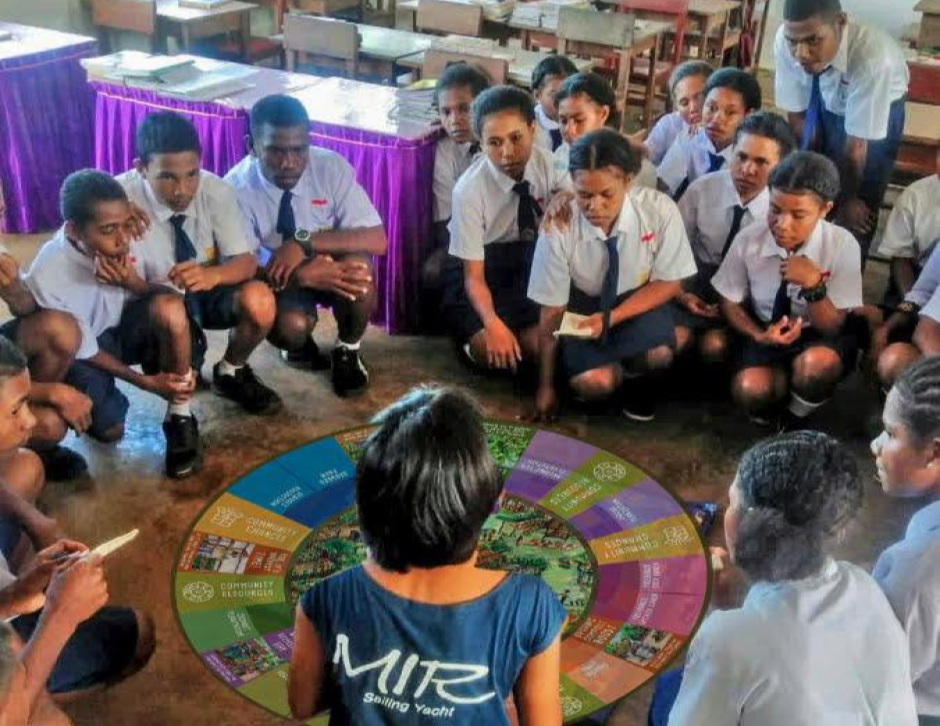
Embark on a quest to create a green, healthy, and thriving community while learning essential lessons about sustainability, disaster management and community resilience. Welcome to Filantropoli, a board game that is not only super fun, but a powerful tool for better understanding what it is like to build a sustainable, thriving village. Filantropoli is a meticulously handcrafted piece of art made with care and unique artistry. Handmade in Bali, an island renowned for its traditional craftsmanship, the game resonates with Bali’s ethos of living in harmony with nature. At its core, Filantropoli is an educational tool designed to teach the principles of community resilience. It places players in the role of various types of community builders, tasking them with creating a sustainable village. As in real life, it also introduces critical twists by challenging players to navigate and overcome the impacts of development and natural disasters together. Collaboration is at the heart of Filantropoli. Players must work together to steward farm land, generate resources and use them to build their sustainable community while collectively addressing the challenges posed by natural disasters. This collaborative aspect makes the game not just entertaining but also a great experience in teamwork and community spirit. The essence of Filantropoli revolves around building a carbon-neutral, sustainable village. Players must engage in resource bartering, earn carbon credits through tree planting, and establish land trusts to ensure the village’s prosperity and resilience. In doing so, they learn how to create a community that not only thrives but also nurtures the environment. Filantropoli is more than a game; it’s an immersive learning experience, combining fun and entertainment with valuable lessons on sustainability, community resilience, and environmental stewardship. As players progress through the game, they witness the benefits of rehabilitating environments, healthy food production, disaster risk reduction, community spirit and a deeper connection with nature. The game comes complete with a game board, community resource cards, chance cards, dice, tokens, trees, and carbon offset certificates. Each component plays a vital role in the game’s immersive and educational gameplay experience. Filantropoli comes in two game formats: tabletop and giant size. The tabletop version is perfect for family gatherings and small groups. The giant-sized format is ideal for classrooms and community events, allowing a larger audience to engage with its valuable lessons (and fun!). #ClassroomEnvironmentGames #SchoolsEnvironmentalEducation #TeachEcoSolutions #EcoFriendlyOutdoorGames #EcoConsciousKidsGames #EnvironmentalEducationActivities #FunEcoFriendlyGames #FunEcoFriendlyActivities #HandmadeInBali #HandcraftedInBali #StorytellingGames #StrategyForChangeGames #GiantGamesforGroups #GamesAboutOceanConservation #PlasticPollutionAwareness #OceanCleanUp #FindMeInTheGardenGames #PermaculturePlay #SDGsforChangeEducation #SmallIslandsBigImpact #TeachingPlanetaryBoundaries #CommunityResilienceGames #RainforestLearning
More